
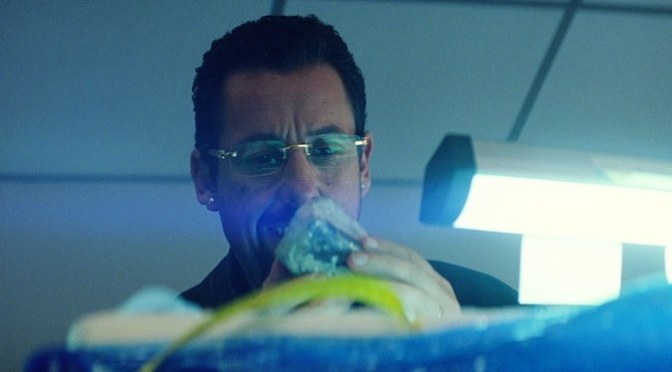
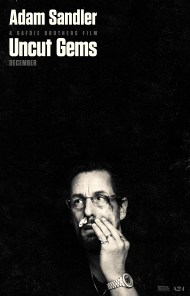
 The films of the Safdie Brothers tend to share a few recognizable qualities. Most apparent is the kinetic, stressful energy with which each of their films unfolds, a ride that weaves unexpectedly while continuously approaching a breakneck speed. Those weaves are almost always a result of character decisions, though, and I respect that the Brothers keep memorable figures at the fore through even their most plot-twisty jaunts. They seem drawn to slightly-delusional protagonists, too, if not fully-delusional, and so the common logline usually follows a familiar trajectory: Main Character makes increasingly dumb decisions and pays for it. And then there’s the street-level realism, from the single-parent struggles of Daddy Longlegs to the exploration of addiction in Heaven Knows What to the petty life of crime in Good Time.
So why does Uncut Gems feel so different? Increased production value, sure, and an increased profile to match. Before Gems the Safdies weren’t household names unless you caught Good Time, which most probably saw for Robert Pattinson more so than the directors. And of course Gems not only has the excitement of Sandler returning to a dramatic role, but also his most remarkable performance ever (fight me!) as Howard Ratner. These things alone set this particular Safdie outing apart.

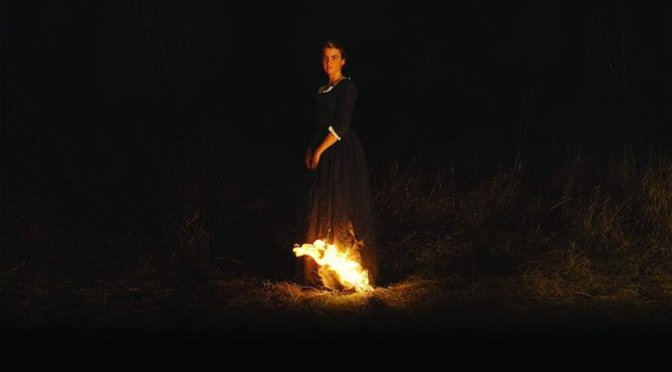
 Marianne, the artist and main character of Céline Sciamma’s Portrait of a Lady on Fire, invites us to know her immediately. Look at the way I sit, she says. Take time to look at me while I pose. Look at the way I hold my hands, she says, before her fist involuntarily clenches at the sight of an old painting of hers. A scene later Marianne is no longer posing, but we take time to look at her face when she sees her painting equipment go over the side of a boat. We see her foot find purchase on the boat’s edge, we see the briefest flicker of uncertainty, and we feel we know her a little better when she dives into the water.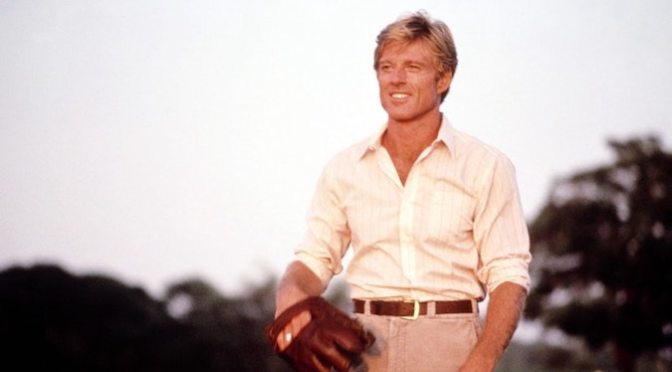
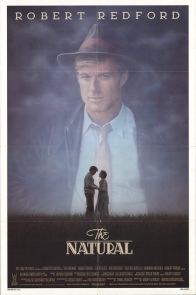 Bernard Malamud wrote The Natural, his debut novel, in 1952, the year the Yankees beat the Dodgers in the World Series. The tale of once-promising baseballer Roy Hobbs was almost universally praised upon the novel’s release, with many championing it as the first great novel about baseball. Critical consensus, though, agreed that the actual baseball — the strategy, the technicalities, the game — mattered less than the fable at hand. In some ways the myth behind Roy Hobbs was more interesting than Roy Hobbs.
  Motion State Review