

 Those with a dream to fulfill have a better chance of survival. This is the idea put forth to Diego Fairman, a once-famous film director, as he lies in his hospital bed. He’s dying of cancer at the moment, given only a few months to live, his body ransacked by the disease at every turn. Diego’s life outside his body has been ransacked, too, the cancer boiling within him such that deep issues in his marriage, his family and his work all bubble to the surface. The ailing artist knows he wants to survive, but he doesn’t yet know that this means more than simply “staying alive.” Even if you’re in perfect health, your chances of survival are better with a dream to fulfill.
My Hindu Friend unfurls the story of Diego (Willem Dafoe) methodically, with the mixture of matter-of-fact realism and dreamlike romanticism that one should expect from writer/director Héctor Babenco. The former finds grounding in Pixote, Babenco’s documentary-esque 1980 film about Brazil’s delinquent youth; elements of the latter can be traced to Kiss of the Spider Woman, Babenco’s transcendent 1985 endeavor to bring Latin American magical realism into the mainstream. It’s fitting that Babenco’s own art impact My Hindu Friend, as the film is based on true events from his life. Inasmuch as Diego is a stand-in for Babenco, the inextricability of art and “survival” is always at the forefront.

 Rather than a standard film review, we’ve been compiling a visual glossary of likely inspirations in Paul Thomas Anderson’s 2012 film The Master. Huge props go to

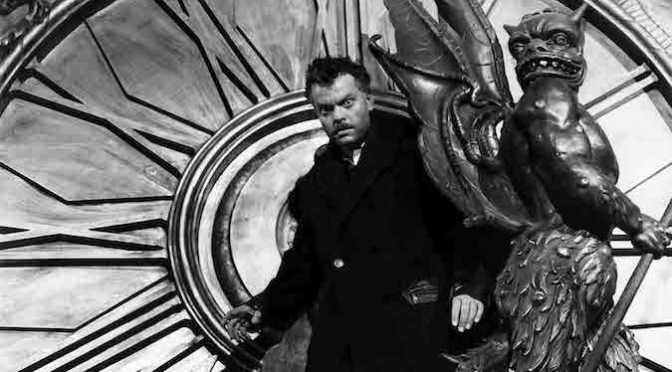
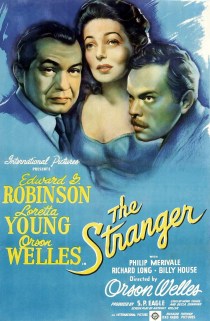 As is the case with the work of many a cinematic genius, the filmography of Orson Welles is especially revealing when considered as a whole. Hits, flops, stretches of obsession, gaps of inactivity, passion projects and moneygrabs — in some ways this kind of retrospective review can tell us more about the filmmaker than the films themselves. It’s the “God’s-eye view,” to steal the name of an aerial shot favored by Welles, and it serves to highlight the ideas that the writer/director would experiment with, return to, or transform entirely in successive efforts. The other edge of the sword, of course, is that each individual film inexorably loses something when viewed alongside a slew of cinema which may otherwise share little by way of plot, theme, style or cultural impact.

 Motion State Review