
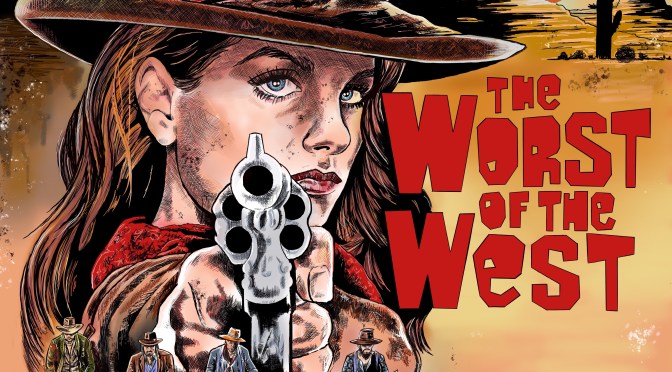
Though we may never see the lost Western from enigmatic American filmmaker Gene Jugan, The Worst of the West remains one of the most culturally impactful films of its era despite being largely unheralded as such. For decades the mythical project lived only in the memories of those lucky few enlisted for the ill-fated production in early 1969, along with a single surviving storyboard image of Josephine, the film’s heroine. Films rarely survive in the public consciousness with so little evidence of existence, and many with more have been forgotten. But those films were not created by Jugan, the most inscrutable and territorial auteur of his era and, possibly, the most brilliant.
Now, following the biggest breakthrough to date in the unending search for Jugan’s swan song, here is everything we know about The Worst of the West:

 Jimmy Stewart was in a lot of Westerns. From Destry Rides Again (1939) all the way to The Shootist (1976), the actor’s continual returns to the frontier nearly end up signposting the decades-long rise and fall of the genre itself. In the early 1960s, just prior to the introduction of a violent revisionism courtesy of Sam Peckinpah and Sergio Leone, Stewart teamed with John Ford and turned out classics like The Man Who Shot Liberty Valance and How the West was Won. Prior to that, as the Western was enjoying its heyday in the 1950s, Stewart starred in the progressive-for-the-time Broken Arrow and in a string of Westerns from director Anthony Mann, including the eventual classic Winchester ’73. But the most underrated Stewart Western — and maybe one of the most underrated Westerns period — is another feature from Mann called Bend of the River.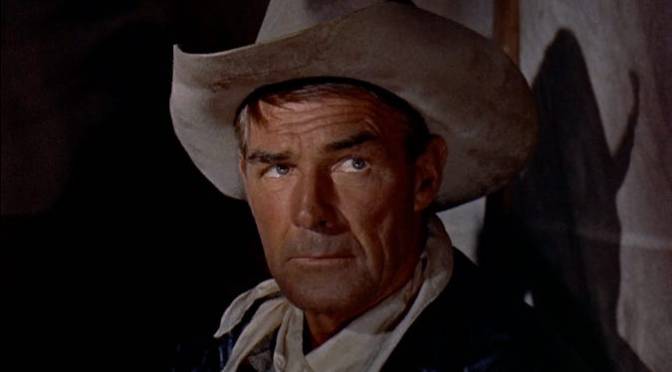
 The arrival of the Spaghetti Western in the mid-1960s might be credited as the major pivot point for the film Western on the whole, but a subtler shift began more than a decade earlier. American director Budd Boetticher was familiar with the genre in 1956, having helmed six or seven Westerns in the early ’50s, films starring the likes of Rock Hudson and Glenn Ford. By and large these fit the mold of what you’d expect from the era, right down to the leading man: young, chiseled cowboys with a strong moral compass and a way with horses. Typified by Hudson, Ford, Gary Cooper, Henry Fonda, Joel McCrea and especially John Wayne, the Western Heroes of the time are jokingly (or not?) said to have had only two emotions on display: “hat on” and “hat off.”




 Motion State Review