
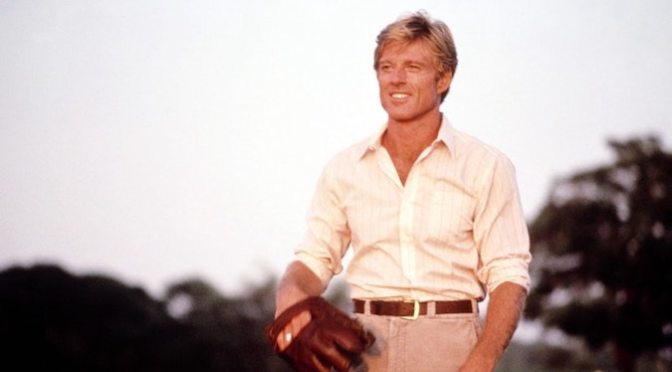
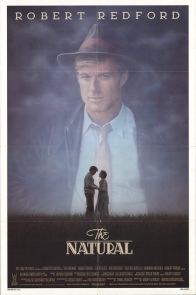
 Bernard Malamud wrote The Natural, his debut novel, in 1952, the year the Yankees beat the Dodgers in the World Series. The tale of once-promising baseballer Roy Hobbs was almost universally praised upon the novel’s release, with many championing it as the first great novel about baseball. Critical consensus, though, agreed that the actual baseball — the strategy, the technicalities, the game — mattered less than the fable at hand. In some ways the myth behind Roy Hobbs was more interesting than Roy Hobbs. The original New York Times review from August ’52 typifies this stance in describing the novel thusly:
a sustained and elaborate allegory in which the “natural” player who operates with ease and the greatest skill, without having been taught, is equated with the natural man who, left alone by, say, politicians and advertising agencies, might achieve his real fulfillment.

 Any cook will admit that having delicious ingredients doesn’t necessarily make for a delicious meal, even if you are faithful to the recipe. The most masterful chef can combine a snazzy main course with cool, exotic sauces and side dishes, pepper in some flair, and tie it all together with pristine presentation — but if the temperature isn’t just right, or if just one of the ingredients has started to turn, or if the sous-chef finally makes his move by sabotaging his tyrannical chef’s best meal, well, at least those would be reasons. Sometimes it just doesn’t taste good. Questions arise: why didn’t the dish work? Didn’t we follow the recipe to the letter? Did you freeze that thing overnight like I told you to? When does one traditionally bring their extended metaphor to a close? Now?


 Motion State Review