
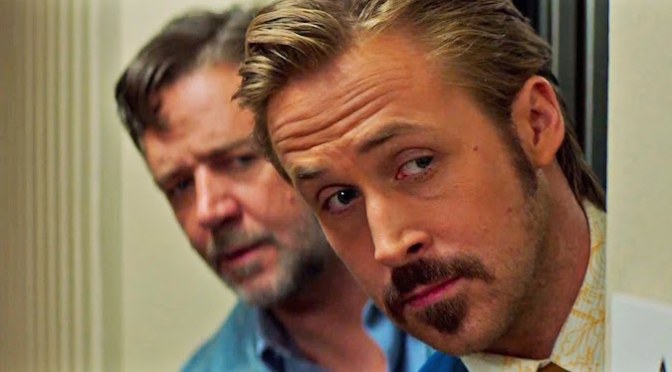
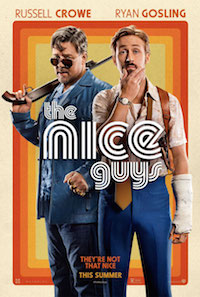
 With The Nice Guys, Shane Black returns to what he knows best: two dudes (Ryan Gosling, Russell Crowe), a babe (Margaret Qualley), and some henchmen all tossed into a cauldron of bubbling absurdity.
Fortunately, my theater was fairly empty, because I laughed obnoxiously more or less throughout the entire runtime of this film. The humor is incredibly clever at times (Gosling takes cover behind a oscillating vehicle on display only to jump up and lay down a round of cover fire in the completely wrong direction after having been turned around) and at other times, hilariously moronic (continuous series of Gosling falling down/high-pitched screaming). Gosling performed at the top of his game, flaunting his remarkable comedic chops throughout, perhaps outshining the great Mr. Crowe. As described, he hits every mark and even adds his own flair to the script (classically referring the male reproductive organ as a “schphitz” or a “schphonz”).

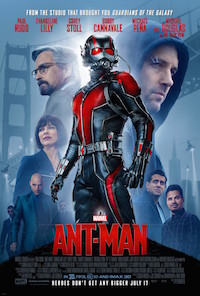 A guy becomes ant-sized and communicates with ants to…save the world? Kind of sounds like a bad Raid commercial to me. And yet, Ant-Man, one of Marvel’s most overlooked additions to the MCU, was actually pretty enjoyable — not that this should be too surprising, I suppose, since the most likable man in the world plays the movie’s lead. If you’re thinking of anyone other than Paul Rudd, you’re just wrong.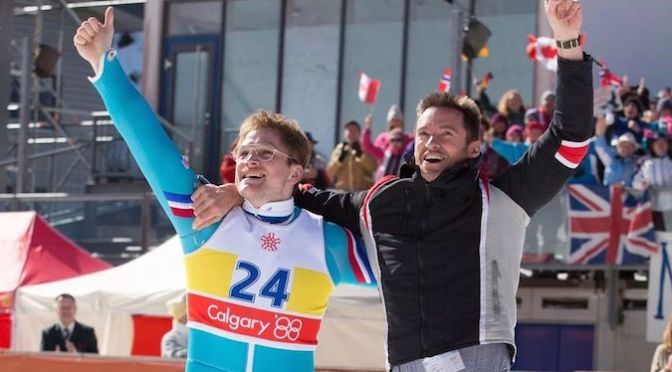
 There are two kinds of sports movies: underdog stories and everything else. The former category is vastly larger than the latter, likely because that’s sort of the archetypal narrative in any genre. The very first shot of Star Wars is a tiny Rebel ship fleeing a massive Imperial cruiser, and yet we know instantly which one we’re going to root for. In terms of sports movies this translates to Remember the Titans, The Longest Yard (not the remake), Rudy, Miracle, The Bad News Bears (not the remake), Chariots of Fire,
 Oftentimes, we yearn for simplicity in movies. There should be good guys, bad guys, and a happy ending. Maybe it was all those fairy tales we heard growing up. Unfortunately, for those looking for the next great American fairy tale, Joel Edgerton’s The Gift is not it.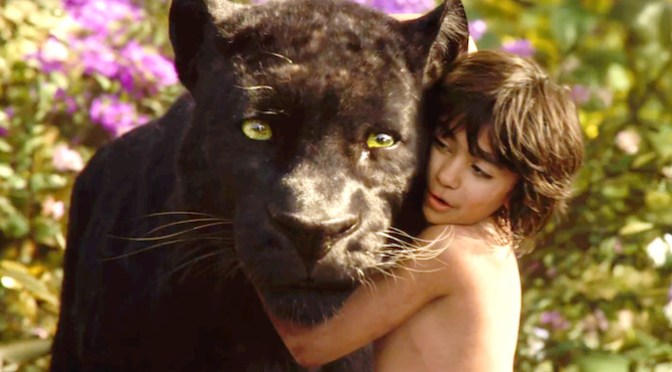
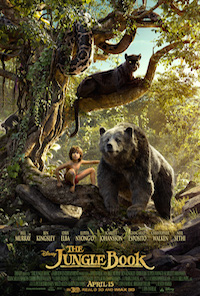 Today is May 11th, 2016, the 132nd day of the year. In those just-over-100 days a small little company called Disney — heard of it? — has made more money than any single company has any earthly right to make. Not since the Dutch East India Trading Company has a multinational firm held such widespread influence. Disney’s always been a successful company, sure, and even if they had fiscal years of lesser oomph they always had sheer name recognition to fall back on. In a bygone era every kid knew about Disney; today, though, we’re headed toward the era where every kid knows only Disney.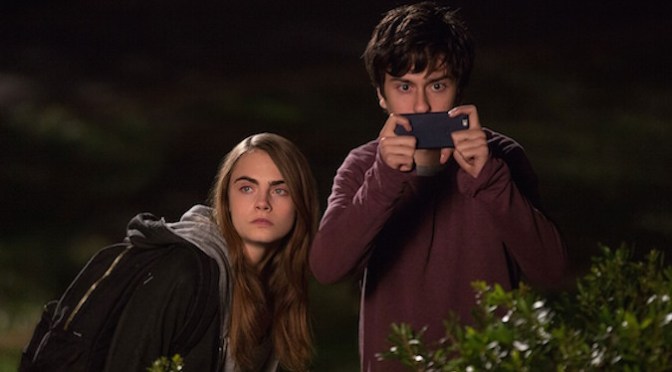
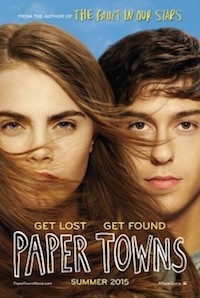 When the film adaption of John Green’s The Fault in Our Stars went from thickly bound pages to the glowing awe of the big screen in 2014, teenage girls everywhere swooned and sighed as, “Okay,” took on a whole new meaning. Green’s other novel-adapted movie Paper Towns didn’t receive quite as much anticipatory swooning, but also doesn’t require quite as much emotional investment — and that’s okay.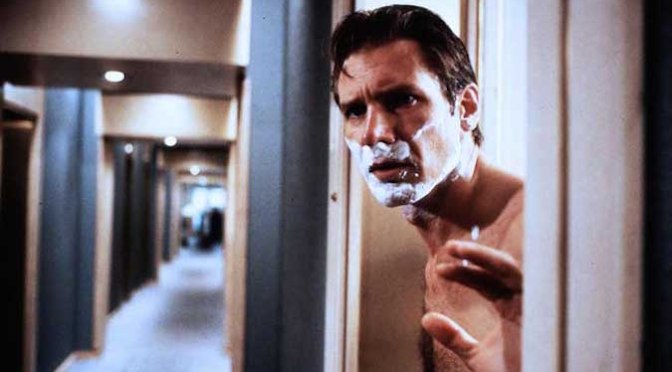
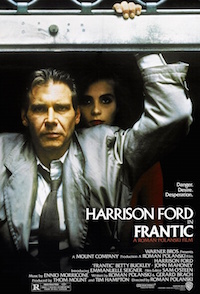 Frantic is such the quintessential Roman Polanski movie that you’ll swear you’ve seen it before. As with Repulsion, Cul-De-Sac, Rosemary’s Baby, The Tenant and What? before it, Frantic subsists entirely on a sense of dread that grows steadily following an initial oddity. The tagline is “Danger. Desire. Desperation”, which could easily be the tagline for a sizable cross-section of Polanski’s filmography. That said, only one of those three words — “Desperation” — actually feels accurate within the context of the movie, and even the title Frantic is a bit misleading. This isn’t the only kind of film Polanski is capable of, but the series that do fit the mold are less frantic and more foreboding, less manic and more pulsating, less overtly dangerous and more subtly sinister.

 Motion State Review