

 I recently watched Edgar Wright’s Hot Fuzz for the zillionth time. This was partly to assuage my excitement for Baby Driver, Wright’s latest, and partly because the discovery of a commentary track by Wright and his buddy Quentin Tarantino was too good to pass up. Usually commentary tracks feel slight, strained, straight-up unnecessary; Wright and Tarantino have a casual chat that’s nearly as bonkers as Hot Fuzz itself. The pair share a vast encyclopedic knowledge of film and music, and throughout the course of the commentary they discuss nearly 200 films — basically everything besides Hot Fuzz — and if you’re thinking someone should write out that list, well, yeah: reddit.
Their knowledge is enviable, yes, but it’s not nearly as enviable as the fact that both writer/directors manage to make movies that are unlike any other movie you’ve ever seen. Baby Driver, it should be stated at the outset, is unlike any other movie you’ve ever seen. Wright, like Tarantino, has fresh ideas that swing for the narrative fences, and like Tarantino he also has the prowess to actually achieve his vision. This time around the vision is something people are calling a “car chase musical”, which seems only half-accurate because it doesn’t quite do Baby Driver justice.
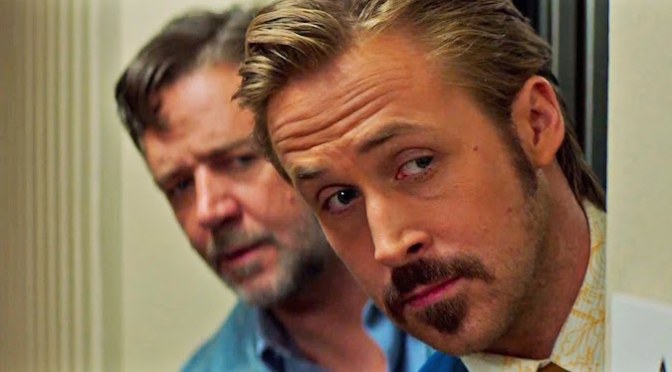
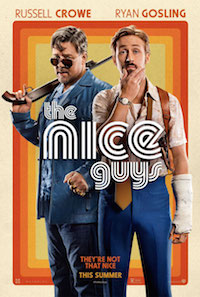 With The Nice Guys, Shane Black returns to what he knows best: two dudes (Ryan Gosling, Russell Crowe), a babe (Margaret Qualley), and some henchmen all tossed into a cauldron of bubbling absurdity.
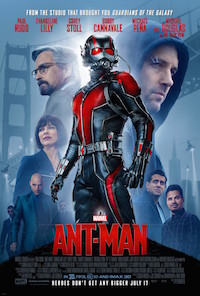 A guy becomes ant-sized and communicates with ants to…save the world? Kind of sounds like a bad Raid commercial to me. And yet, Ant-Man, one of Marvel’s most overlooked additions to the MCU, was actually pretty enjoyable — not that this should be too surprising, I suppose, since the most likable man in the world plays the movie’s lead. If you’re thinking of anyone other than Paul Rudd, you’re just wrong.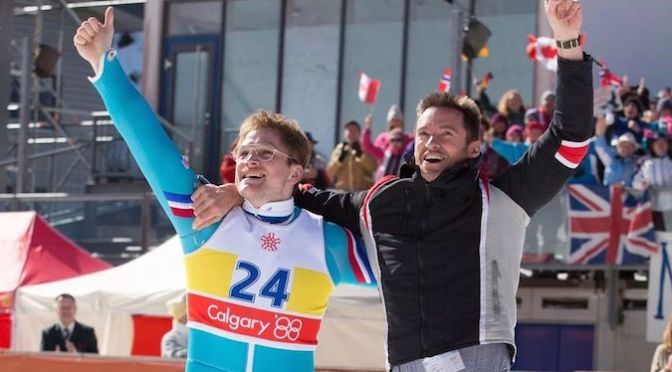
 There are two kinds of sports movies: underdog stories and everything else. The former category is vastly larger than the latter, likely because that’s sort of the archetypal narrative in any genre. The very first shot of Star Wars is a tiny Rebel ship fleeing a massive Imperial cruiser, and yet we know instantly which one we’re going to root for. In terms of sports movies this translates to Remember the Titans, The Longest Yard (not the remake), Rudy, Miracle, The Bad News Bears (not the remake), Chariots of Fire,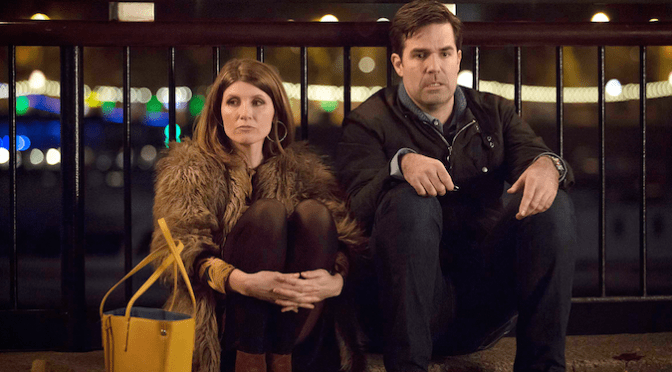
 While Netflix has proven itself worthy of quality television in its queue of original series, Amazon Prime still has something to prove. With Catastrophe, it gets a good start.

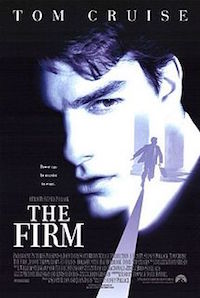 Just now I googled “Tom Cruise best roles”, “Tom Cruise worst roles”, “Tom Cruise best movies” and “Tom Cruise worst movies”, partially because I’m interested to see where his role as Mitch McDeere in The Firm lands and partially because my boredom has reached carrying capacity. I found, unsurprisingly, that the internet does that thing where it reaches consensus about certain things being “good” and certain things being “bad”, which in this case is sometimes inarguable (
 Oftentimes, we yearn for simplicity in movies. There should be good guys, bad guys, and a happy ending. Maybe it was all those fairy tales we heard growing up. Unfortunately, for those looking for the next great American fairy tale, Joel Edgerton’s The Gift is not it.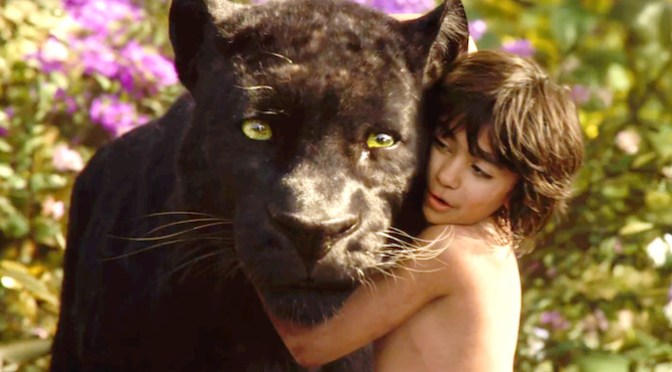
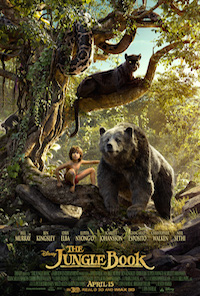 Today is May 11th, 2016, the 132nd day of the year. In those just-over-100 days a small little company called Disney — heard of it? — has made more money than any single company has any earthly right to make. Not since the Dutch East India Trading Company has a multinational firm held such widespread influence. Disney’s always been a successful company, sure, and even if they had fiscal years of lesser oomph they always had sheer name recognition to fall back on. In a bygone era every kid knew about Disney; today, though, we’re headed toward the era where every kid knows only Disney.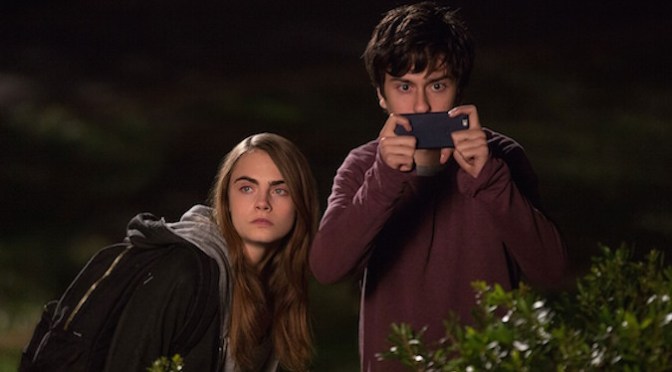
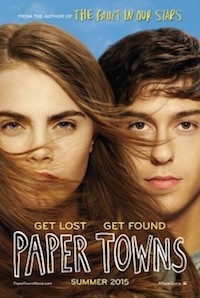 When the film adaption of John Green’s The Fault in Our Stars went from thickly bound pages to the glowing awe of the big screen in 2014, teenage girls everywhere swooned and sighed as, “Okay,” took on a whole new meaning. Green’s other novel-adapted movie Paper Towns didn’t receive quite as much anticipatory swooning, but also doesn’t require quite as much emotional investment — and that’s okay.
  Motion State Review