
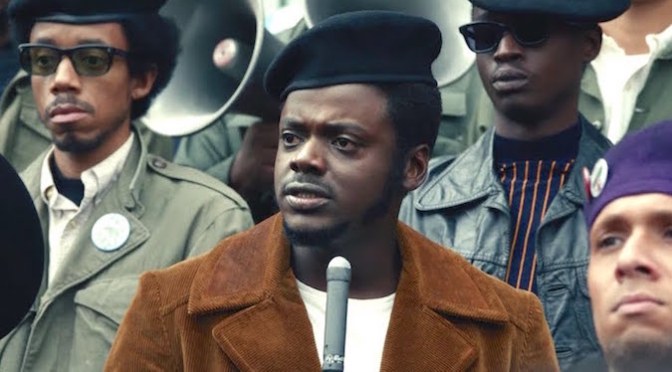
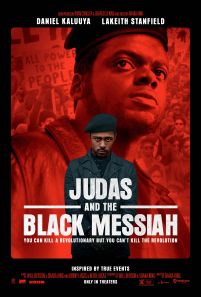
 The trailer for Judas and the Black Messiah made me doubt how effective the film would actually be. Not because it looked bad, mind you, or uninteresting in any way. But I had flashes to Man of Steel, which lured me to the cinema with a stunning trailer and then turned out to be a soupy mess. Same for Only God Forgives, which had a bangin’ trailer — I remember saying the words “looks amazing” to a friend — and ultimately had about as much substance as the two-minute teaser itself. Well, fool me twice. Trepidation filled the air as the Sundance premiere of Judas and the Black Messiah began, because the first glimpse I’d had of the film was this rollicking hype-train of a masterful trailer:
Shaka King’s first major studio feature, thankfully, is indeed a strong and energetic biopic that doesn’t at all renege on the promise of that trailer. Messiah stars Daniel Kaluuya as Fred Hampton, Chairman of the Illinois Black Panther Party, and focuses on FBI efforts to suppress and ultimately silence Hampton as he gains more and more popularity nationwide. It’s a long overdue portrayal of a significant figure in American history; before Kelvin Harrison, Jr. played Hampton in a bit part in this past year’s Trail of the Chicago 7, you have to go back to 1999 to find the only other instance of Hampton in another film or TV show (it’s another bit part in the miniseries The ’60s, which is mostly about hippies).

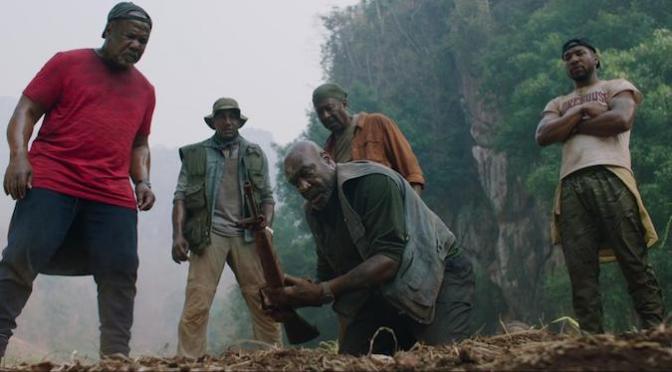
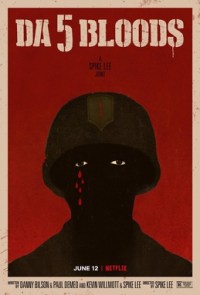 If you threw Spike Lee’s filmography into a pot and cooked it down, stirring occasionally such that all of the ingredients are thoroughly intermingled, you’d be left with Da 5 Bloods. Lee’s new Netflix joint is nothing if not ambitious, and at its shakiest it does feel composed of variations on ideas he’s had in previous films. Take the war-never-ends framing device of Miracle at St. Anna, the style-and-substance mentality of BlacKkKlansman, the epic scope of Malcolm X, a pinch of the melancholy soul-searching of 25th Hour, a dash of the motley cast of Get on the Bus, and Spike’s secret sauce, of course, that blunt intrusion of American history into an otherwise routine narrative. The last ingredient is always a tough one to swallow, but in Da 5 Bloods its sourness is even more noticeable. As with the final scene of BlacKkKlansman, the dark American past we’re witnessing is often only a few months old.
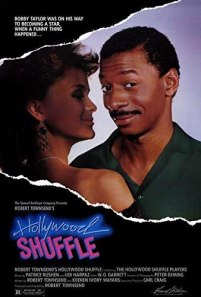 One of the best collections available on the Criterion Channel is one called Film Plays Itself, a self-reflexive assemblage of movies about movies. Here you’ve got your classics, like Sunset Boulevard and 8½. You’ve got your “out-there” stuff, like the experimental Symbiopsychotaxiplasm or Godard’s New-Wave Contempt. And you’ve got some modern triumphs like The Player and
 Motion State Review