

As we discussed in our review of last week’s episode “Kiss Tomorrow Goodbye,” the macro-level focus of True Detective has eschewed a mere whodunit? in favor of complex, haunted characters embroiled in ever-shifting family dynamics. When the two switch places — when plot overrides character, or when the plot twists at the expense of character development — it doesn’t necessarily make True Detective into a bad show so much as it makes it an atmospheric version of every other police procedural on TV. Working out a case is fun as a viewer, but it’s far more compelling to tag along as a well-crafted set of characters works it out (or doesn’t).
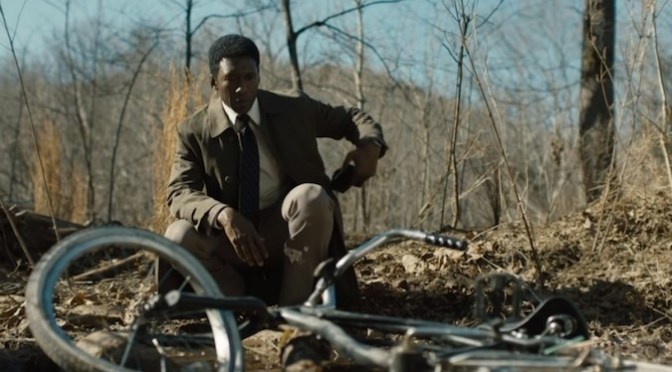
…that being said, the case unfolding in the third season of ‘Tec is a very, very compelling one. What started as a cut-and-dry kidnapping case was already more complicated by the end of the first episode, but “The Big Never” threw several big wrenches into the mix. In 1980, Wayne and Roland look into a possible connection with the local grocery plant and chase down an angle concerning the Purcells’ “best friend.” In 1990, Roland gives a deposition that paints both of those developments as important revelations. And in 2015, Wayne desperately clings to the facts of the case in an effort to finally solve it.



 The superhero genre is not, in fact, a genre. Adapting comics to film has become a billion-dollar industry in the past decade, and the movies comprising that industry have certainly been typified by a familiar formula. Marvel movies are with few exceptions fun but mostly mindless. DC movies are with few exceptions Marvel movies with all the fun wrung out. Those exceptions usually end up being the best of the bunch, but the point is that the “superhero genre” — while technically an applicable term for things grouped by subject matter — is more a “superhero formula” applied across genres. There’s action-thriller, action-comedy, action-adventure, sci-fi action…heck, when’s someone gonna make a superhero rom-com or a superhero road trip flick? Or a super-workplace melodrama devoid of any action whatsoever?
 Detail is king in Prospect, the debut feature from writing/directing duo Christopher Caldwell and Zeek Earl. There’s little to latch onto in the opening minutes that could be called “familiar” outside the general setup: two human characters, father and daughter, in a ship floating through space. But the young girl is writing in an alien language, her father is administering a strange drug, and the process they both engage with to launch their pod down to the surface of a nearby planet is about as complicated as the entire mission in First Man. There’s a device that the father holds in place and continuously winds like it’s a jack-in-the-box, though its purpose is never actually articulated.
 Art ages. The second a book hits the shelf, a movie hits the cinema, a painting hits the exhibit or a song hits the radio, that art is in some ways locked into that time period forever. Maybe as time passes that art ages poorly and is sentenced to oblivion — like, say,
 I never much expected Yorgos Lanthimos to become a great filmmaker. He was always a very good filmmaker, and it must be noted that we’re reserving the term great here for someone truly deserving of the moniker, as in one of the all-time greats. Nowadays great gets bandied about a lot. Is Ridley Scott great? From time to time, sure. Maybe we weigh the greatness of
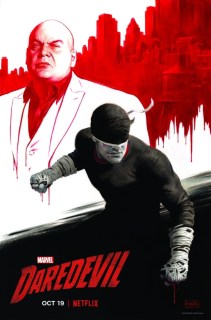 Boasting a “return to roots” formula meant to appeal to champions of
 It would have been easy for Shoplifters to glamorize the criminal acts of its central characters. Hirokazu Kore-eda’s latest film follows an impoverished Tokyo family surviving on a hierarchical system of thievery, nicking small items where the opportunity arises or, more frequently, setting out on an express mission to steal that which they need. The setup, of course, is worlds away from the heist genre, but it’s still refreshing to experience these criminal acts for what they actually are: desperate, thrill-less acts devoid of meticulous planning or grifter’s luck. And if there is any thrill in stealing shampoo and ramen noodles, it’s a thrill that quickly sinks into the pit of one’s stomach, weighed by the immorality of it all.
 Motion State Review