
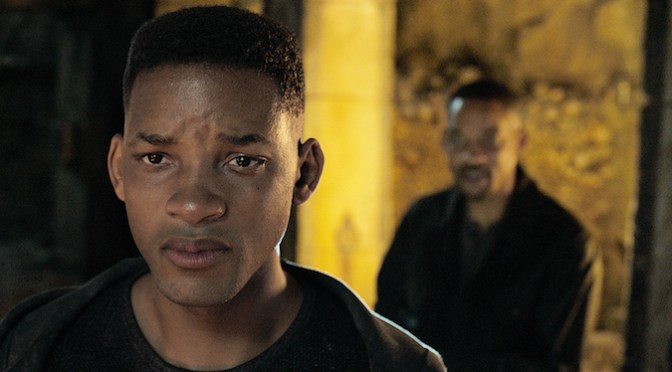
 Ang Lee’s increasing preoccupation with digital cinema effects can be traced to 2003’s Hulk, the first time one of his films featured a main character generated by a computer. In 2012 Life of Pi saw Lee wading further into digital waters, showcasing computerized sets and hyperrealistic animal characters. And in 2016 Billy Lynn’s Long Halftime Walk, filmed in a superfast 120 frames-per-second that very few theaters in the U.S. were actually equipped to project, managed to exude a digital sheen despite the apparent novelty of normal human characters doing non-superpowered things. With Gemini Man, Lee’s big-budget Will Smith actioner, the director tries a new digital toy: a screenplay generated entirely by a computer.
It certainly feels like that, anyway. The real gimmick of Gemini Man, of course, is a digitally de-aged Smith playing a younger clone of himself (Fresh Prints of Bel-Air). The Real Human Smith is Henry, the world’s best assassin, who simply wants to retire in peace. But the digitized “Junior” Smith is sent to kill the O.G. version, resulting in a globetrotting game of cat-and-mouse (or cat-and-cat). That rote setup, spun with only the slightest variation out of the thousand other movies about the world’s best assassin on the brink of retirement, could still have made for an exciting movie with a solid script.

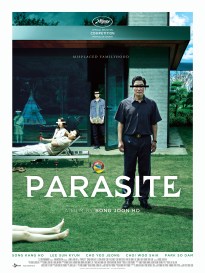 Parasite is consistently surprising at every turn. Even if you don’t go in cold, knowing nothing about the plot or themes of Bong Joon-ho’s latest, the sprightly storytelling still does its job in keeping you on your toes. If you’ve seen Bong’s English-language efforts Snowpiercer and Okja, you might assume Parasite to be structured over themes of class disparity and the dangers of technology. While you’d technically be correct, those themes are far less obnoxious than they were in Snowpiercer, more cohesive than they were in Okja, and overall the plot- and character-based twists make Parasite into a far superior film.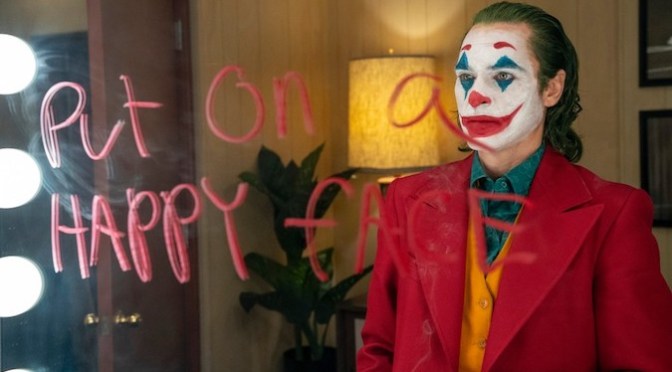
 Early buzz on Joker made frequent mention of a guy named Martin Scorsese, a film director you may have heard of, though not one who’s ever actually directed any films called Joker. Partly the comparison stems from the aesthetic of this new grimdark pseudo-origin for Batman’s nemesis, which is set in the ballpark of 1981 in a Gotham that looks suspiciously like the New York of Scorsese’s Mean Streets and Taxi Driver. Partly it’s the theme, too, I suppose, as Scorsese’s obvious preoccupation with insecure males and violence fits Joker‘s bill pretty well. And partly people simply love saying “it’s just like ______!” when a new movie comes out. Heck, the last Joaquin Phoenix movie we reviewed (the phenomenal
 With the launch of the Criterion Channel this past April, I was finally able to achieve that which humankind has been trying to accomplish since we first emerged from the Garden of Eden: watching every Akira Kurosawa movie back-to-back-to-back-to-back-to-back. Before you ask, Kurosawa directed 31 feature films spanning 1943-1993, and as most of them clock in over two hours (and a few approach four), we’re talking almost 100 total consumption hours of Kurosawaness. And before you ask, yes, that’s going on my résumé.
 We’ve already gushed a bit over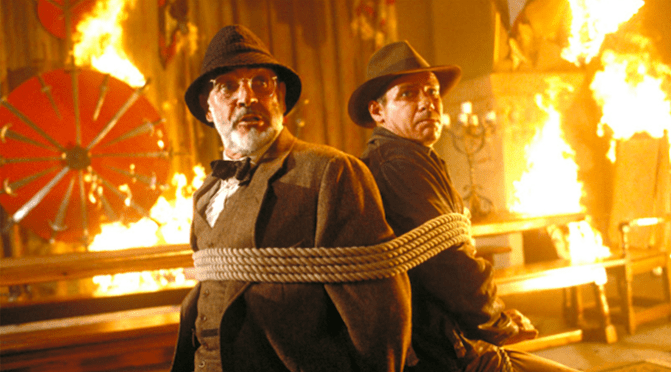
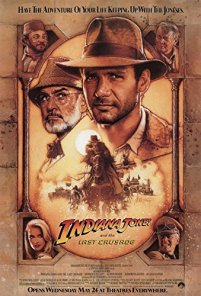 Pretty much everyone knows Indiana Jones. He’s a popular guy! The hat, the jacket, the bullwhip. If you’ve met him, these facets of his character ensure that you’ll remember him; if you haven’t, these facets still get thrown around in rumor and legend and make it feel like you’ve met him. I’m not talking about you and I, of course, or the world in which we happen to live, although pretty much everyone does know Indiana Jones. But Indy’s own world, in-movie, isn’t so dissimilar in that regard, and in fact his popularity might even be greater amongst the countless supporting characters who’ve seen him in action, experienced his -ness, or simply caught wind of his legendary adventures.
 The second season of Netflix’s Mindhunter is the best single season of television the streaming giant has ever produced. I’d entertain an argument for the best series overall being something else — Stranger Things,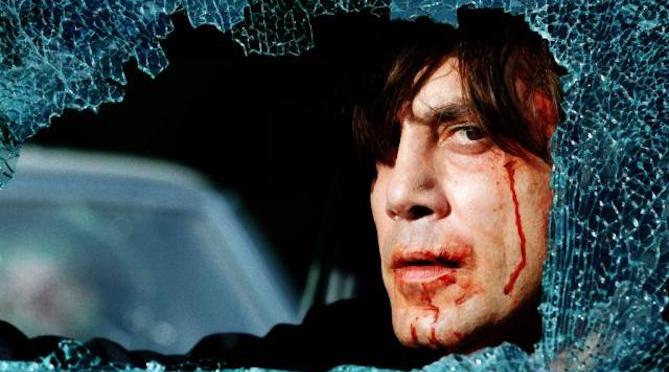
 “The setting is the Texas-Mexico border. The time is our own.”
 Tarantino’s Once Upon a Time in Hollywood is out this month, and it seems like a culmination of sorts for the film fanatic writer-director. Each of his movies toes the line between self-awareness and immersive cinema, continually winking at the camera and yet lost in a world of its own, packed to the brim with pop culture references but still stylish enough to become a pop culture reference. Tarantino, who worked at a video store as a kid and has been devouring several movies a day ever since, has few rivals when it comes to an encyclopedic knowledge of the art form. To see Once Upon a Time in Hollywood framed around film and television sets in 1950s L.A. is quite the prospect, because that encyclopedic knowledge serves as more than a wink or a reference.

 In our
  Motion State Review