
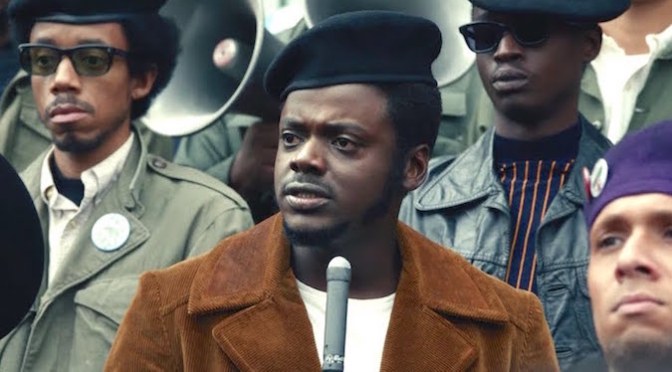
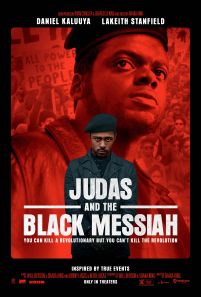
 The trailer for Judas and the Black Messiah made me doubt how effective the film would actually be. Not because it looked bad, mind you, or uninteresting in any way. But I had flashes to Man of Steel, which lured me to the cinema with a stunning trailer and then turned out to be a soupy mess. Same for Only God Forgives, which had a bangin’ trailer — I remember saying the words “looks amazing” to a friend — and ultimately had about as much substance as the two-minute teaser itself. Well, fool me twice. Trepidation filled the air as the Sundance premiere of Judas and the Black Messiah began, because the first glimpse I’d had of the film was this rollicking hype-train of a masterful trailer:
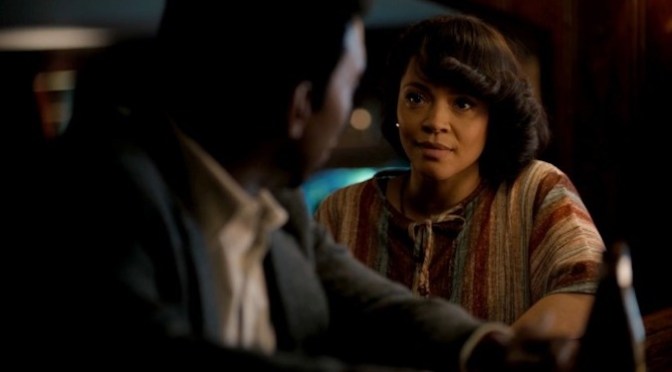
Shaka King’s first major studio feature, thankfully, is indeed a strong and energetic biopic that doesn’t at all renege on the promise of that trailer. Messiah stars Daniel Kaluuya as Fred Hampton, Chairman of the Illinois Black Panther Party, and focuses on FBI efforts to suppress and ultimately silence Hampton as he gains more and more popularity nationwide. It’s a long overdue portrayal of a significant figure in American history; before Kelvin Harrison, Jr. played Hampton in a bit part in this past year’s Trail of the Chicago 7, you have to go back to 1999 to find the only other instance of Hampton in another film or TV show (it’s another bit part in the miniseries The ’60s, which is mostly about hippies).

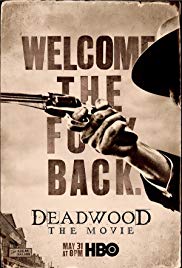 It’d be tough to think about the Deadwood film as that alone, a mere two-hour tour through a corruption-riddled mining town in the waning days of the 19th century. The movie exists very much as a long-awaited finale for the Deadwood series, which was unceremoniously canceled after three seasons at HBO more than a decade ago. To enjoy the film without the context of the show is possible, probably, but it’d also be akin to starting in on the last episode of a television series. It’d be equally tough to refrain from using the f-word multiple times while writing about Deadwood, so consider this a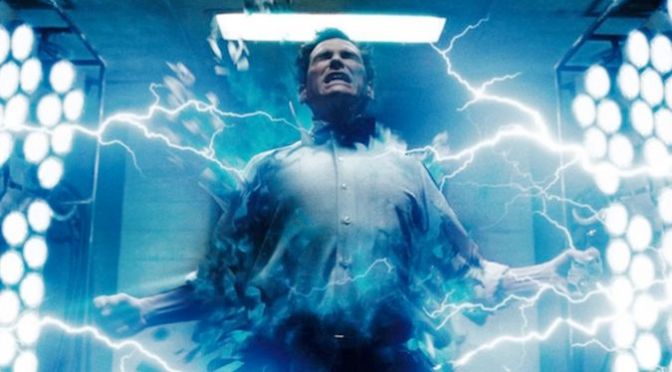
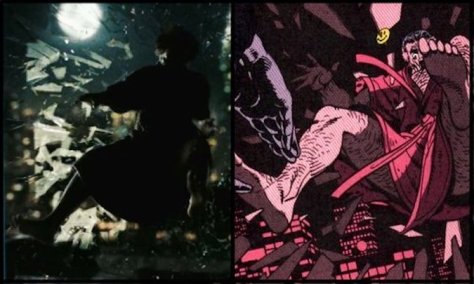
 A lot of what Alan Moore has created is now considered classic. V for Vendetta, League of Extraordinary Gentlemen, From Hell, The Killing Joke, his run on Swamp Thing…to say this stuff is at the vanguard of comic-book storytelling is to undermine the fact that this stuff is the vanguard of comic-book storytelling. But it’s important to remember — crucial, actually — that Moore’s never purposefully written a “classic,” meaning his tales are almost exclusively nontraditional narratives that toy with genre and literary consciousness. The writer has a few reasons to despise Hollywood, but the primary point of contention must be that each film adaptation of his comics seems to shove the original tale back into a traditional, classic structure. It happened with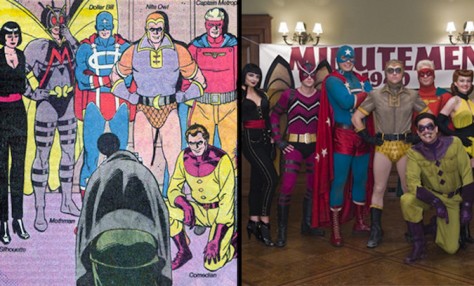


 Motion State Review