

 In our year-end Best of 2018 list — an infallible writ if ever there was one — we awarded the animated romp Spider-Man: Into the Spider-Verse the #10 slot, along with the following explainer:
Someone recently said of the late Marvel Comics giant: “When Stan Lee made better comics, he made comics better.” Spider-Man: Into the Spider-Verse is the latest superhero movie in an industry landscape that sometimes feels like it’s traded originality for IP. But Spider-Verse is gleefully, genuinely, finally a better comic book movie — and it might make comic book movies better.
Spider-Verse pushed a boundary that superhero films haven’t been able to push in a long, long time. It was fresh in the way only a non-franchise movie can be, and it was about as original as possible for a story based on existing characters. The goal with most modern superflicks, conversely, is to tie it all together, linking an ever-expanding franchise by deepening character relationships, furthering multi-film arcs, and reviving heroes and villains in such a way that prompts either “oh shit, it’s him!” or “wait…who’s that?”
 For a good long while the prestigious mantle of Most Overdone Superhero Story was without a doubt the origin tale. Dead parents, ancient birthrights, Chosen Ones, freak laboratory accidents — after a while people caught on to the fact that all of these were basically following the same formula. We’ve seen Bruce Wayne witness the death of his parents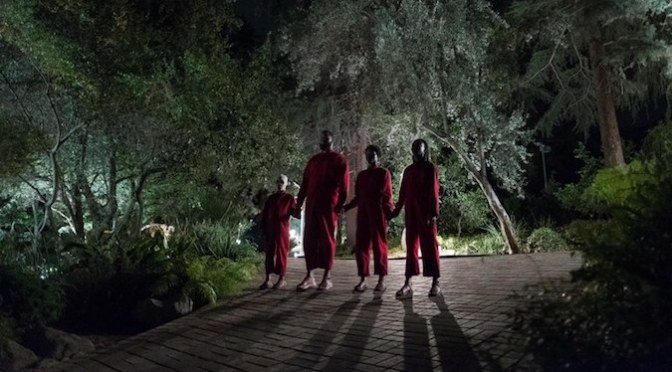
 Jordan Peele’s Us is nothing short of exceptionally entertaining horror. Starring Lupita Nyong’o and Winston Duke as the mother and father of a prototypical American family, Us joins a long tradition of doppelgänger horror while still emerging from that tradition into definitive modernity. Like Peele’s debut Get Out, the American Dream — as a white-picket-fence fantasy and as a dark reality — is crucial not only to the implicit themes of the film, but to the reason both films are scary in the first place. Yes, Us has a preponderance of classic horror moments, from jump-scares to home invasions to creepy coincidences foreshadowing a coming threat. But these tropes become entertaining again only in context of a strong underlying assertion that speaks to something in our everyday life, and while Us may not speak as explicitly as Get Out, the potency of the film is drawn from a similar source.
 In 2017 The Last Jedi ignited a culture war between lovers of Star Wars on the one side and…well, lovers of Star Wars on the other side. This war was ostensibly borne of debate over the film, praise versus criticism, and there certainly is a battlefront of this war that does engage in genuine discourse over Jedi. There’s another front, of course, comprised mostly of warriors fighting with a willing blindness to the merits or pitfalls of the film as a film; some people just despise Jedi for puerile personal reasons, some just defend it simply because it’s Star Wars. This is the Ultimate First World Problem, such hatred and ire thrown about over the seventh sequel to a space fantasy from 1977. But intentionally or not, a particular faction of “critics” revealed themselves during this war. We’ll call them the Shitboys, because they’re mostly boys and they mostly shit on everything.


 If you’re a connoisseur of modern helicopter cinema, then Mission: Impossible – Fallout is the event of the season. Not since Black Hawk Down has the Neo-Copterism movement asserted such a well-defined visual aesthetic, such elevated narrative and tonal language, such awesome fucking explosions. Everything a refined and learned copterhead cinephile could possibly desire finds fresh life here. There is an absurdist, Lynchian quality infused into the rhythmic weaving of two whirlybirds; there are rarefied, Brechtian attributes present in those characters left on the ground. There is a continuation of the leitmotif established in the first Mission: Impossible‘s chopper-chase finale. When read through the lens of the tenets of cinéma vérité, Fallout delivers a powerful indictment of those who don’t actually know how to fly such a machine. And, in a move sure to receive recognition come awards season, auteur director Christopher McQuarrie playfully inverts the male gaze by literally flipping Tom Cruise upside down in a helicopter.
 One of the things that soured

 Motion State Review