
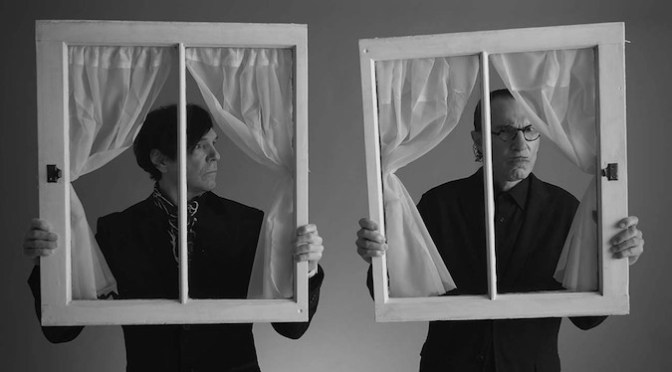
I’ve got a snapshot of your Aunt Maureen.
Okay, I don’t, actually. You probably don’t even have an Aunt Maureen. But that line is a real attention-grabber, much like the guys who came up with it, so I figured what the hell. Film criticism is an unsexy business. I’ll take any spice I can get.
Sparks, known by some as the best British band ever to come out of America, seems perennially able to remain interesting without looking like they’re trying to remain interesting. Since their inception in 1971 — that’s 50 years ago, for those who flunked math — the duo have released a whopping 25 studio albums, closing in on 300 original songs. For those who flunked math, that’s, like, a lot.
Comprised of brothers Russell and Ron Mael, their stage presence and obvious visual flair is perhaps as inextricable from Sparks as the actual music. Russell, the singer, fronts the band with hyperactive and often very sweaty antics. Meanwhile Ron, keyboardist and songwriter, sits very still and scowls while his brother goes nuts. Either of the two alone would turn heads, but together they create a contrast that would force a smile on even the most straightlaced of faces.

 There’s an intentional obscurity at the start of Mass, the debut feature from writer/director Fran Kranz, that instantly placed it amongst the most intriguing premieres at this year’s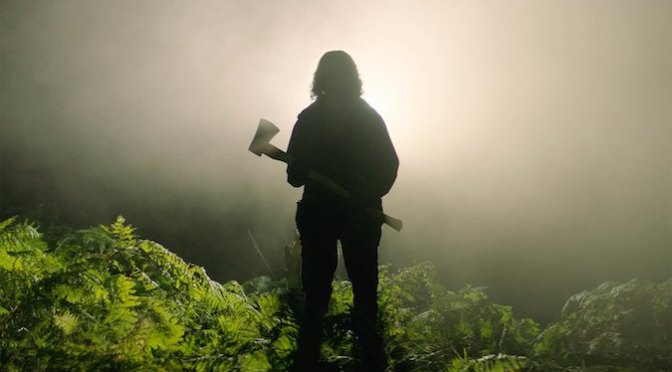
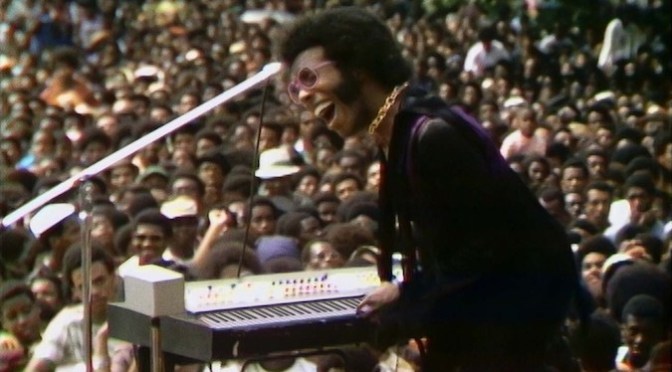

 “Deaf culture is too big to represent,” says Sound of Metal writer/director Darius Marder. He obviously refers to being represented in its entirety, something no culture can hope to be endowed with over the course of a short two-hour film. That comment comes from the Q&A tied to the
 Lee Isaac Chung’s Minari follows the Yi Family, a Korean quartet immigrated to the United States in the 1980s. They settle in California at first, but Jacob (Steven Yuen) grows impatient with city life. He’s desirous of an expanse of land to call his own, of a family farm, of that elusive thing people sometimes call the American Dream. So he uproots the family and moves to rural Arkansas, where fifty acres of the best dirt in America await. His wife Monica (Han Ye-ri) is far more pragmatic, and she has trouble envisioning the farm of the future behind the dilapidated mobile home of the present. Meanwhile, their children David and Anne (Alan Kim and Noel Kate Cho) are at first simply along for the ride, fascinated by the fact that they now live in a house that has wheels.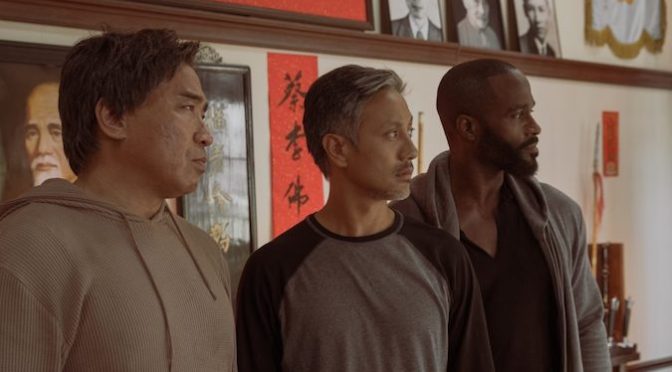
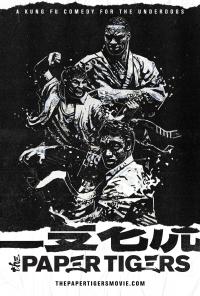 The Paper Tigers screened as a part of the
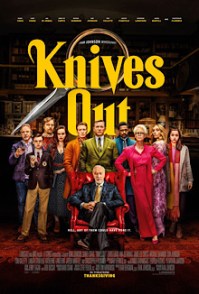 It ain’t always fun, the movies. Amongst this year’s least-fun pictures we probably have the likes of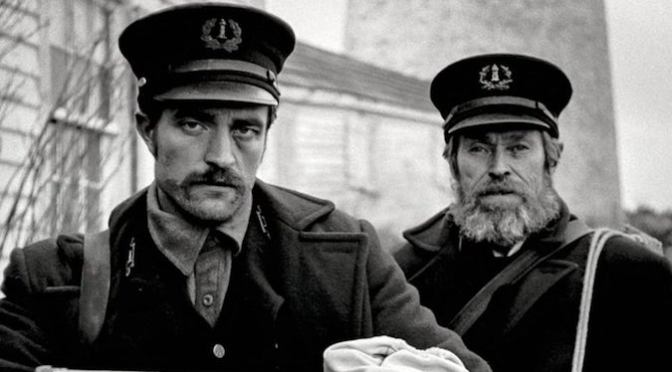
 The ambition of Robert Eggers was apparent after his debut The Witch, a one-of-a-kind horror film steeped in deeply-felt folklore. The dialect, the costumes and settings, the sound design and the themes were all clearly the result of hard research and dedication to period accuracy rarely realized in modern film. Eggers himself, who presented a special

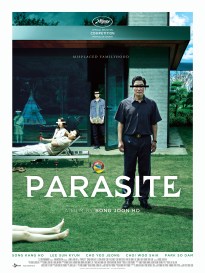 Parasite is consistently surprising at every turn. Even if you don’t go in cold, knowing nothing about the plot or themes of Bong Joon-ho’s latest, the sprightly storytelling still does its job in keeping you on your toes. If you’ve seen Bong’s English-language efforts Snowpiercer and Okja, you might assume Parasite to be structured over themes of class disparity and the dangers of technology. While you’d technically be correct, those themes are far less obnoxious than they were in Snowpiercer, more cohesive than they were in Okja, and overall the plot- and character-based twists make Parasite into a far superior film.
 Motion State Review