

 In our year-end Best of 2018 list — an infallible writ if ever there was one — we awarded the animated romp Spider-Man: Into the Spider-Verse the #10 slot, along with the following explainer:
Someone recently said of the late Marvel Comics giant: “When Stan Lee made better comics, he made comics better.” Spider-Man: Into the Spider-Verse is the latest superhero movie in an industry landscape that sometimes feels like it’s traded originality for IP. But Spider-Verse is gleefully, genuinely, finally a better comic book movie — and it might make comic book movies better.
Spider-Verse pushed a boundary that superhero films haven’t been able to push in a long, long time. It was fresh in the way only a non-franchise movie can be, and it was about as original as possible for a story based on existing characters. The goal with most modern superflicks, conversely, is to tie it all together, linking an ever-expanding franchise by deepening character relationships, furthering multi-film arcs, and reviving heroes and villains in such a way that prompts either “oh shit, it’s him!” or “wait…who’s that?”

 For a good long while the prestigious mantle of Most Overdone Superhero Story was without a doubt the origin tale. Dead parents, ancient birthrights, Chosen Ones, freak laboratory accidents — after a while people caught on to the fact that all of these were basically following the same formula. We’ve seen Bruce Wayne witness the death of his parents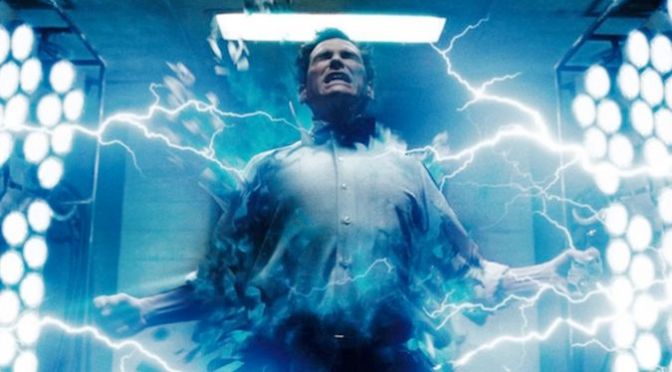
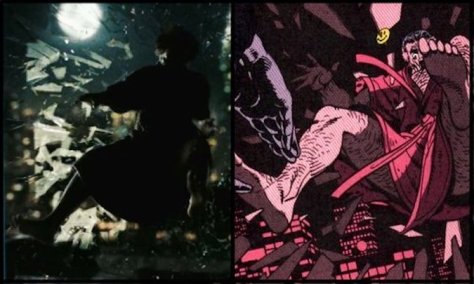
 A lot of what Alan Moore has created is now considered classic. V for Vendetta, League of Extraordinary Gentlemen, From Hell, The Killing Joke, his run on Swamp Thing…to say this stuff is at the vanguard of comic-book storytelling is to undermine the fact that this stuff is the vanguard of comic-book storytelling. But it’s important to remember — crucial, actually — that Moore’s never purposefully written a “classic,” meaning his tales are almost exclusively nontraditional narratives that toy with genre and literary consciousness. The writer has a few reasons to despise Hollywood, but the primary point of contention must be that each film adaptation of his comics seems to shove the original tale back into a traditional, classic structure. It happened with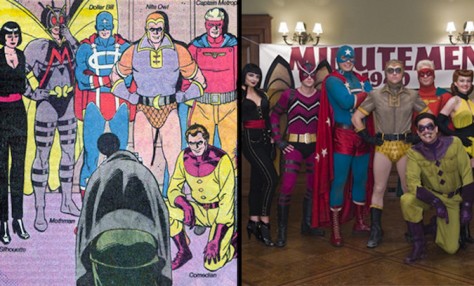


 April 2019 was a pretty earth-shaking month in pop culture terms. We had the first tangible fallout from the Disney/Fox merger and some really interesting developments in the Great Streaming Wars (the launch of the fantastic Criterion Channel, details on the upcoming Disney+), we had new blockbuster releases (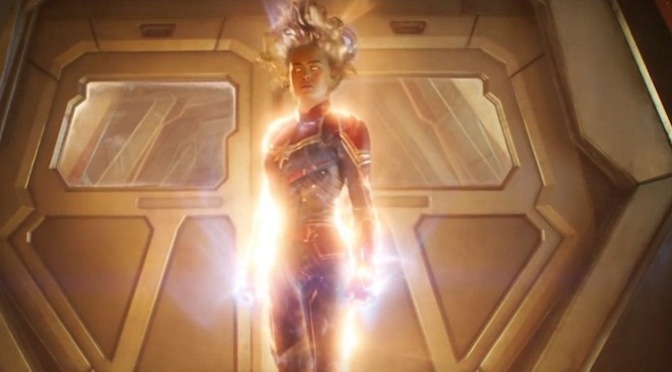
 In 2017 The Last Jedi ignited a culture war between lovers of Star Wars on the one side and…well, lovers of Star Wars on the other side. This war was ostensibly borne of debate over the film, praise versus criticism, and there certainly is a battlefront of this war that does engage in genuine discourse over Jedi. There’s another front, of course, comprised mostly of warriors fighting with a willing blindness to the merits or pitfalls of the film as a film; some people just despise Jedi for puerile personal reasons, some just defend it simply because it’s Star Wars. This is the Ultimate First World Problem, such hatred and ire thrown about over the seventh sequel to a space fantasy from 1977. But intentionally or not, a particular faction of “critics” revealed themselves during this war. We’ll call them the Shitboys, because they’re mostly boys and they mostly shit on everything.
 Motion State Review