

J.R.R. Tolkien would not enjoy The Rings of Power.
 Wait! Before you roll your eyes and seek out a piece with a less whiny opening line, know that this is a generally favorable review of the Amazon series inspired by Tolkien’s creations. Much has been written already about the liberties taken by showrunners J.D. Payne and Patrick McKay, and sure: there are diversions, detours and a significant condensing of the timeline of Middle-Earth throughout the show’s first season, some of which result in frustrating missed opportunities. Entire diatribes have been dedicated to lamenting the fact that the Rings of Power elves have short hair, or that the Númenóreans should technically be like nine feet tall, or that mithril or the palantíri work very differently here (Erik Kain at Forbes has basically made a career these last few months mewling about what a “betrayal” the series is, at least when he’s not writing hard-hitting articles about Today’s Wordle Hints). So enough has been laid in print already detailing Power‘s departures from Tolkien’s source material, and yes, it’s all technically accurate.
And yet I have a hard time believing Tolkien would really give a shit about that. Before diving into why — and before getting to what the author’s real beef with the show would probably be — we’ll first issue a spoiler warning for The Rings of Power‘s first season.
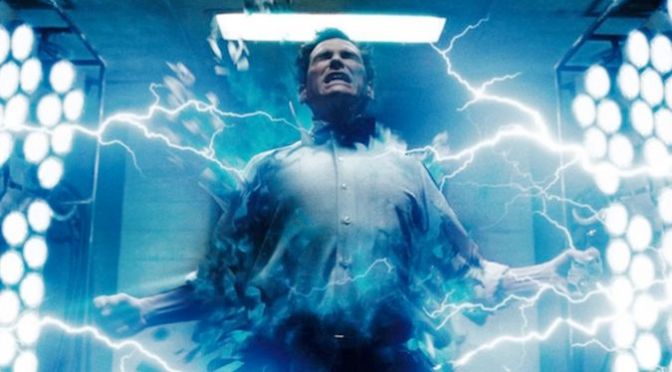
 A lot of what Alan Moore has created is now considered classic. V for Vendetta, League of Extraordinary Gentlemen, From Hell, The Killing Joke, his run on Swamp Thing…to say this stuff is at the vanguard of comic-book storytelling is to undermine the fact that this stuff is the vanguard of comic-book storytelling. But it’s important to remember — crucial, actually — that Moore’s never purposefully written a “classic,” meaning his tales are almost exclusively nontraditional narratives that toy with genre and literary consciousness. The writer has a few reasons to despise Hollywood, but the primary point of contention must be that each film adaptation of his comics seems to shove the original tale back into a traditional, classic structure. It happened with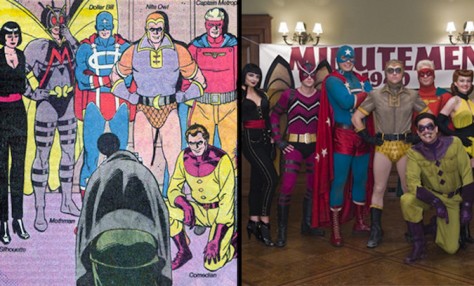
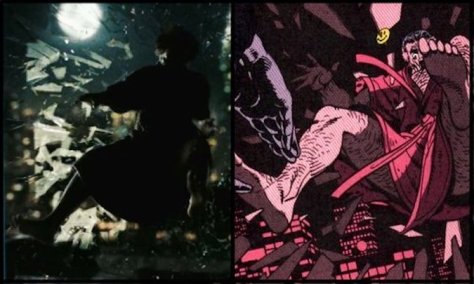


 The superhero genre is not, in fact, a genre. Adapting comics to film has become a billion-dollar industry in the past decade, and the movies comprising that industry have certainly been typified by a familiar formula. Marvel movies are with few exceptions fun but mostly mindless. DC movies are with few exceptions Marvel movies with all the fun wrung out. Those exceptions usually end up being the best of the bunch, but the point is that the “superhero genre” — while technically an applicable term for things grouped by subject matter — is more a “superhero formula” applied across genres. There’s action-thriller, action-comedy, action-adventure, sci-fi action…heck, when’s someone gonna make a superhero rom-com or a superhero road trip flick? Or a super-workplace melodrama devoid of any action whatsoever?


 Motion State Review