

 Today, the Fifth of November, is the perfect day for V for Vendetta. To be sure, Guy Fawkes Day finds a reference or two in a story about an anarchist in a Guy Fawkes mask. Go figure. He even intones as much: Remember, remember, the Fifth of November. But it’s this particular 11/5, the one here in 2017, that’s a perfect day for V. Because we’re now coming up on a year (!) since the presidential election of 2016, an entire year of what this masked anarchist, vested with a vast and verbose vocabulary, would call vitriol, venom, vilification, violence.
Maybe you’re on the other side of this screen saying sheesh — I came here for a movie, not a political rant, or some variation on that oft-repeated question Do you have to politicize everything? To be fair, our primary focus throughout this Alan Moore Writer Series has been the differences from the page to the screen in adaptations like From Hell and The League of Extraordinary Gentlemen; V for Vendetta, adapted by the Wachowski siblings from Moore’s 1988/89 comic, is no exception in that it contains fairly sharp divergences from the source material. The last act of V and entire characters like Leader Adam Susan are either condensed, excised entirely, or changed to better suit the unique needs of a big-budget Hollywood production.
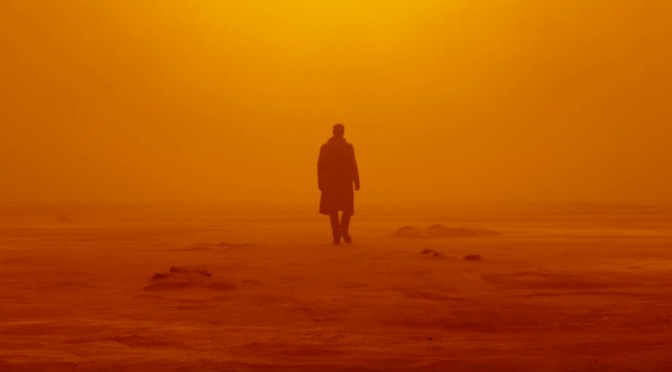
 One of the previews that screened before last night’s Boston premiere of Blade Runner 2049 was for next year’s monsters vs. robots actioner Pacific Rim Uprising, an inevitable if somewhat tardy sequel to Guillermo del Toro’s 2013 original. Based solely on this trailer, it’s evident that Uprising centers on the son of the first film’s protagonist, alludes heavily to that first film, and possibly just revamps the plot with slightly louder explosions. I was reminded, regrettably, of Independence Day: Resurgence, which gave off a similar reek of franchise desperation.
 Prolific director Ben Wheatley followed up 2015’s
 I recently watched Edgar Wright’s Hot Fuzz for the zillionth time. This was partly to assuage my excitement for Baby Driver, Wright’s latest, and partly because the discovery of a commentary track by Wright and his buddy Quentin Tarantino was too good to pass up. Usually commentary tracks feel slight, strained, straight-up unnecessary; Wright and Tarantino have a casual chat that’s nearly as bonkers as Hot Fuzz itself. The pair share a vast encyclopedic knowledge of film and music, and throughout the course of the commentary they discuss nearly 200 films — basically everything besides Hot Fuzz — and if you’re thinking someone should write out that list, well, yeah: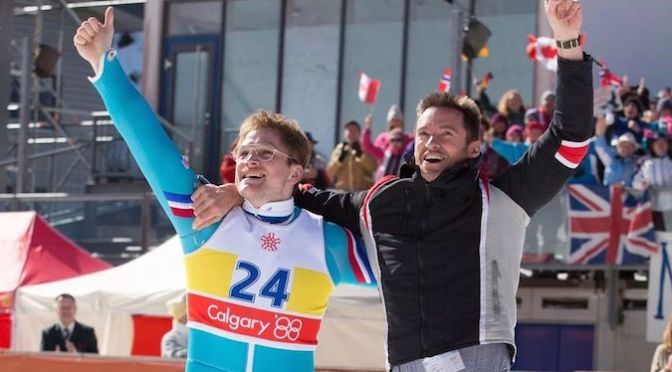
 There are two kinds of sports movies: underdog stories and everything else. The former category is vastly larger than the latter, likely because that’s sort of the archetypal narrative in any genre. The very first shot of Star Wars is a tiny Rebel ship fleeing a massive Imperial cruiser, and yet we know instantly which one we’re going to root for. In terms of sports movies this translates to Remember the Titans, The Longest Yard (not the remake), Rudy, Miracle, The Bad News Bears (not the remake), Chariots of Fire,
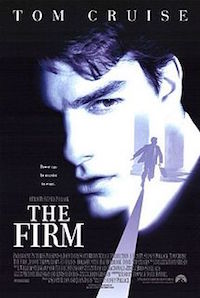 Just now I googled “Tom Cruise best roles”, “Tom Cruise worst roles”, “Tom Cruise best movies” and “Tom Cruise worst movies”, partially because I’m interested to see where his role as Mitch McDeere in The Firm lands and partially because my boredom has reached carrying capacity. I found, unsurprisingly, that the internet does that thing where it reaches consensus about certain things being “good” and certain things being “bad”, which in this case is sometimes inarguable (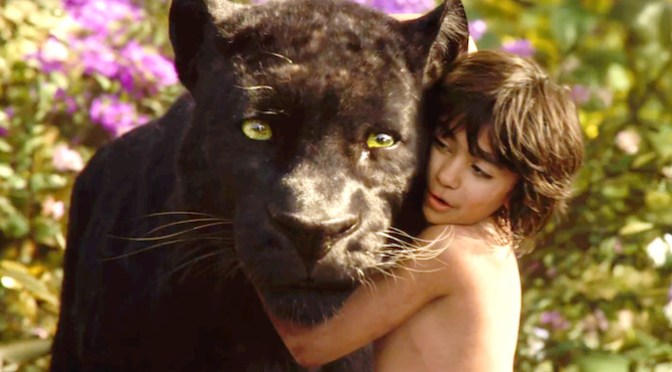
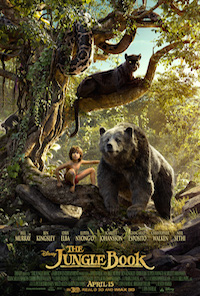 Today is May 11th, 2016, the 132nd day of the year. In those just-over-100 days a small little company called Disney — heard of it? — has made more money than any single company has any earthly right to make. Not since the Dutch East India Trading Company has a multinational firm held such widespread influence. Disney’s always been a successful company, sure, and even if they had fiscal years of lesser oomph they always had sheer name recognition to fall back on. In a bygone era every kid knew about Disney; today, though, we’re headed toward the era where every kid knows only Disney.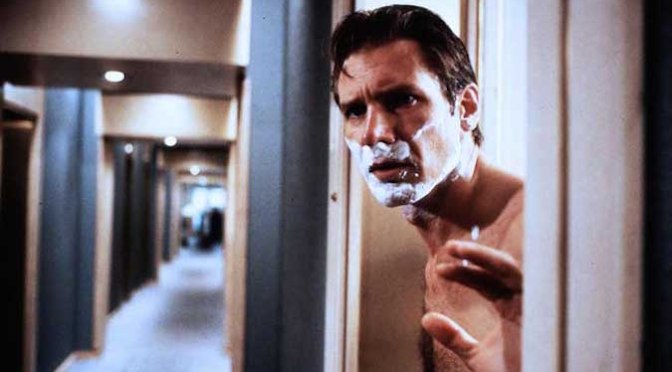
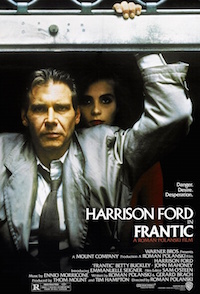 Frantic is such the quintessential Roman Polanski movie that you’ll swear you’ve seen it before. As with Repulsion, Cul-De-Sac, Rosemary’s Baby, The Tenant and What? before it, Frantic subsists entirely on a sense of dread that grows steadily following an initial oddity. The tagline is “Danger. Desire. Desperation”, which could easily be the tagline for a sizable cross-section of Polanski’s filmography. That said, only one of those three words — “Desperation” — actually feels accurate within the context of the movie, and even the title Frantic is a bit misleading. This isn’t the only kind of film Polanski is capable of, but the series that do fit the mold are less frantic and more foreboding, less manic and more pulsating, less overtly dangerous and more subtly sinister.
 Any cook will admit that having delicious ingredients doesn’t necessarily make for a delicious meal, even if you are faithful to the recipe. The most masterful chef can combine a snazzy main course with cool, exotic sauces and side dishes, pepper in some flair, and tie it all together with pristine presentation — but if the temperature isn’t just right, or if just one of the ingredients has started to turn, or if the sous-chef finally makes his move by sabotaging his tyrannical chef’s best meal, well, at least those would be reasons. Sometimes it just doesn’t taste good. Questions arise: why didn’t the dish work? Didn’t we follow the recipe to the letter? Did you freeze that thing overnight like I told you to? When does one traditionally bring their extended metaphor to a close? Now?
 Motion State Review