

J.R.R. Tolkien would not enjoy The Rings of Power.
 Wait! Before you roll your eyes and seek out a piece with a less whiny opening line, know that this is a generally favorable review of the Amazon series inspired by Tolkien’s creations. Much has been written already about the liberties taken by showrunners J.D. Payne and Patrick McKay, and sure: there are diversions, detours and a significant condensing of the timeline of Middle-Earth throughout the show’s first season, some of which result in frustrating missed opportunities. Entire diatribes have been dedicated to lamenting the fact that the Rings of Power elves have short hair, or that the Númenóreans should technically be like nine feet tall, or that mithril or the palantíri work very differently here (Erik Kain at Forbes has basically made a career these last few months mewling about what a “betrayal” the series is, at least when he’s not writing hard-hitting articles about Today’s Wordle Hints). So enough has been laid in print already detailing Power‘s departures from Tolkien’s source material, and yes, it’s all technically accurate.
And yet I have a hard time believing Tolkien would really give a shit about that. Before diving into why — and before getting to what the author’s real beef with the show would probably be — we’ll first issue a spoiler warning for The Rings of Power‘s first season.
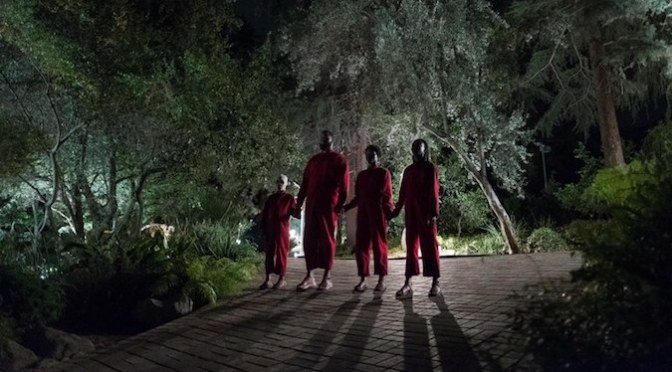
 Jordan Peele’s Us is nothing short of exceptionally entertaining horror. Starring Lupita Nyong’o and Winston Duke as the mother and father of a prototypical American family, Us joins a long tradition of doppelgänger horror while still emerging from that tradition into definitive modernity. Like Peele’s debut Get Out, the American Dream — as a white-picket-fence fantasy and as a dark reality — is crucial not only to the implicit themes of the film, but to the reason both films are scary in the first place. Yes, Us has a preponderance of classic horror moments, from jump-scares to home invasions to creepy coincidences foreshadowing a coming threat. But these tropes become entertaining again only in context of a strong underlying assertion that speaks to something in our everyday life, and while Us may not speak as explicitly as Get Out, the potency of the film is drawn from a similar source.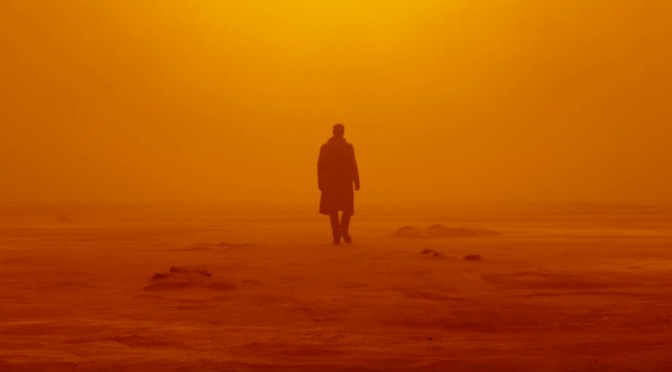
 One of the previews that screened before last night’s Boston premiere of Blade Runner 2049 was for next year’s monsters vs. robots actioner Pacific Rim Uprising, an inevitable if somewhat tardy sequel to Guillermo del Toro’s 2013 original. Based solely on this trailer, it’s evident that Uprising centers on the son of the first film’s protagonist, alludes heavily to that first film, and possibly just revamps the plot with slightly louder explosions. I was reminded, regrettably, of Independence Day: Resurgence, which gave off a similar reek of franchise desperation.




 Motion State Review