

 In our year-end Best of 2018 list — an infallible writ if ever there was one — we awarded the animated romp Spider-Man: Into the Spider-Verse the #10 slot, along with the following explainer:
Someone recently said of the late Marvel Comics giant: “When Stan Lee made better comics, he made comics better.” Spider-Man: Into the Spider-Verse is the latest superhero movie in an industry landscape that sometimes feels like it’s traded originality for IP. But Spider-Verse is gleefully, genuinely, finally a better comic book movie — and it might make comic book movies better.
Spider-Verse pushed a boundary that superhero films haven’t been able to push in a long, long time. It was fresh in the way only a non-franchise movie can be, and it was about as original as possible for a story based on existing characters. The goal with most modern superflicks, conversely, is to tie it all together, linking an ever-expanding franchise by deepening character relationships, furthering multi-film arcs, and reviving heroes and villains in such a way that prompts either “oh shit, it’s him!” or “wait…who’s that?”
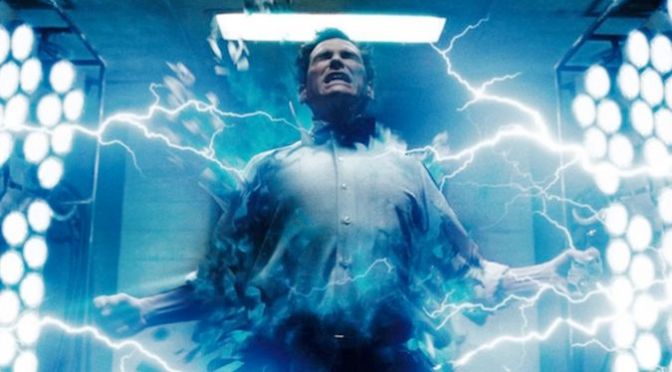
 A lot of what Alan Moore has created is now considered classic. V for Vendetta, League of Extraordinary Gentlemen, From Hell, The Killing Joke, his run on Swamp Thing…to say this stuff is at the vanguard of comic-book storytelling is to undermine the fact that this stuff is the vanguard of comic-book storytelling. But it’s important to remember — crucial, actually — that Moore’s never purposefully written a “classic,” meaning his tales are almost exclusively nontraditional narratives that toy with genre and literary consciousness. The writer has a few reasons to despise Hollywood, but the primary point of contention must be that each film adaptation of his comics seems to shove the original tale back into a traditional, classic structure. It happened with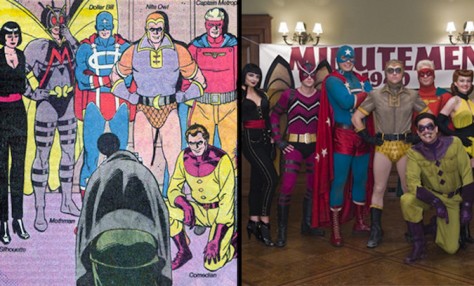






 Motion State Review