

 It ain’t always fun, the movies. Amongst this year’s least-fun pictures we probably have the likes of Alita: Battle Angel, Glass, Dark Phoenix and Gemini Man, all of which share in common a clear prioritization of special effects over storytelling. They’re also united in the fact that production was rocky in every instance, be it years of limbo or last-minute hackjobs in the editing bay, though that’s not necessarily synonymous with a bad film. Production on one of this year’s best, The Lighthouse, was described by its own director as “tense” and “cold”. No fun to be had in making that movie. Only in watching it.
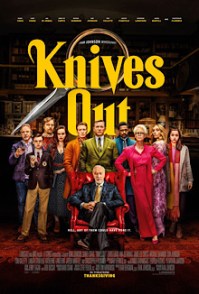
In a pre-recorded clip before the New England premiere of Knives Out, writer/director Rian Johnson — whilst thanking us for seeing the film and imploring us not to spoil it — said flat out that making it was “a blast.” It’s not hard to believe, and evident from the film’s very first scenes: everyone in front of the camera (Daniel Craig, Ana de Armas, Christopher Plummer, Don Johnson, Jamie Lee Curtis and a million others) breezes through having the time of their lives. And Johnson, too, exudes a confidence here as both a writer and a director that can only be borne of exciting material in the hands of a craftsman coming into his prime.
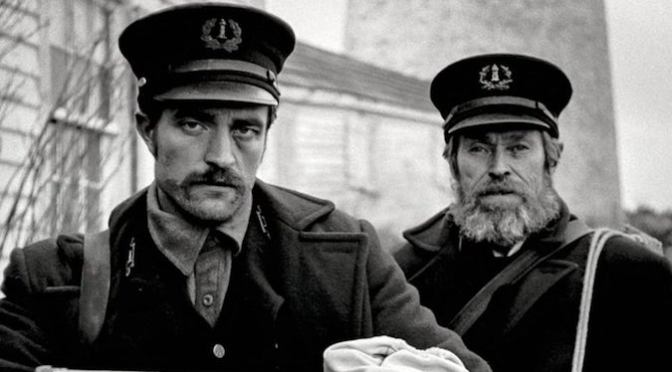
 The ambition of Robert Eggers was apparent after his debut The Witch, a one-of-a-kind horror film steeped in deeply-felt folklore. The dialect, the costumes and settings, the sound design and the themes were all clearly the result of hard research and dedication to period accuracy rarely realized in modern film. Eggers himself, who presented a special

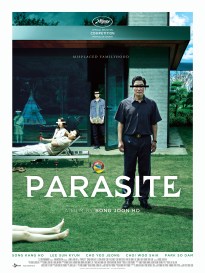 Parasite is consistently surprising at every turn. Even if you don’t go in cold, knowing nothing about the plot or themes of Bong Joon-ho’s latest, the sprightly storytelling still does its job in keeping you on your toes. If you’ve seen Bong’s English-language efforts Snowpiercer and Okja, you might assume Parasite to be structured over themes of class disparity and the dangers of technology. While you’d technically be correct, those themes are far less obnoxious than they were in Snowpiercer, more cohesive than they were in Okja, and overall the plot- and character-based twists make Parasite into a far superior film.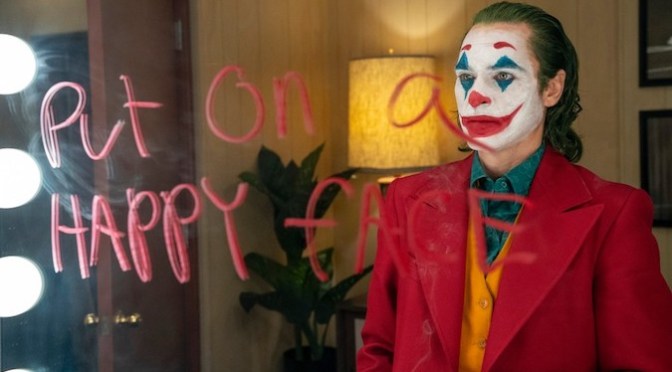
 Early buzz on Joker made frequent mention of a guy named Martin Scorsese, a film director you may have heard of, though not one who’s ever actually directed any films called Joker. Partly the comparison stems from the aesthetic of this new grimdark pseudo-origin for Batman’s nemesis, which is set in the ballpark of 1981 in a Gotham that looks suspiciously like the New York of Scorsese’s Mean Streets and Taxi Driver. Partly it’s the theme, too, I suppose, as Scorsese’s obvious preoccupation with insecure males and violence fits Joker‘s bill pretty well. And partly people simply love saying “it’s just like ______!” when a new movie comes out. Heck, the last Joaquin Phoenix movie we reviewed (the phenomenal
 April 2019 was a pretty earth-shaking month in pop culture terms. We had the first tangible fallout from the Disney/Fox merger and some really interesting developments in the Great Streaming Wars (the launch of the fantastic Criterion Channel, details on the upcoming Disney+), we had new blockbuster releases (
 I never much expected Yorgos Lanthimos to become a great filmmaker. He was always a very good filmmaker, and it must be noted that we’re reserving the term great here for someone truly deserving of the moniker, as in one of the all-time greats. Nowadays great gets bandied about a lot. Is Ridley Scott great? From time to time, sure. Maybe we weigh the greatness of
 It would have been easy for Shoplifters to glamorize the criminal acts of its central characters. Hirokazu Kore-eda’s latest film follows an impoverished Tokyo family surviving on a hierarchical system of thievery, nicking small items where the opportunity arises or, more frequently, setting out on an express mission to steal that which they need. The setup, of course, is worlds away from the heist genre, but it’s still refreshing to experience these criminal acts for what they actually are: desperate, thrill-less acts devoid of meticulous planning or grifter’s luck. And if there is any thrill in stealing shampoo and ramen noodles, it’s a thrill that quickly sinks into the pit of one’s stomach, weighed by the immorality of it all.
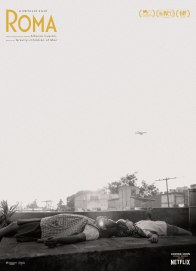 You could call Roma the most colorful black-and-white film ever made. After the Centerpiece screening at the 56th New York Film Festival, writer/director Alfonso Cuarón noted how important the visual presentation was to the overall effect of the movie. Crucial among his points was that this black-and-white is “not a nostalgic black-and-white” but instead “modern” and “pristine,” disabusing the viewer of the notion that this tale is unfolding in a long-forgotten place or time. Despite being assured throughout the film that the place is Mexico City and the year is 1971, Roma simultaneously manages to assure you that what’s happening is happening here and now.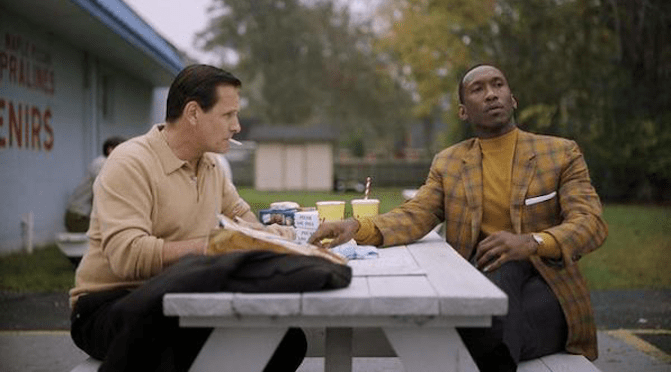
 After winning the People’s Choice Award at the Toronto International Film Festival last weekend, public opinion on Green Book quickly pivoted from a general curiosity in a dramatic effort from the guy who did Dumb and Dumber to genuine anticipation for an early Oscar frontrunner. The film’s first trailer, full of emotional monologues and swelling orchestral strings, already gave off a For Your Consideration vibe before Green Book even premiered. But TIFF has certainly become a stronger indicator of awards season success in recent years, and nine of the last ten People’s Choice Award winners went on to become Best Picture nominees. Universal went into overdrive this past week to get their sudden contender out to smaller festivals and screenings, so this week’s presentation at the 34th Boston Film Festival was a pleasant surprise.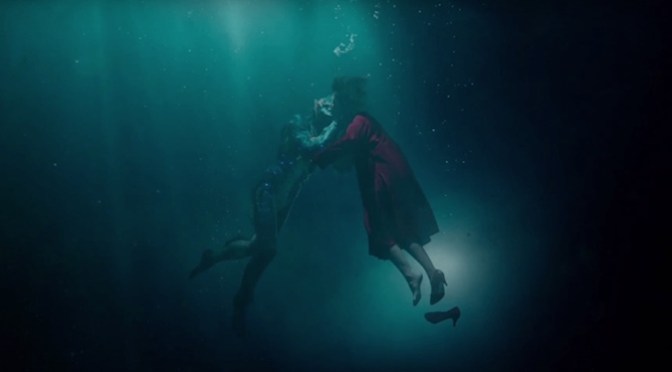
 I arrived late to the party for The Shape of Water, having finally caught the movie a few weeks ago after months and months of dodging reviews online. Guess I’d better add my voice to the fray, huh? Maybe a piece on how writer/director Guillermo del Toro’s creativity allowed him to get away with a smaller budget…but, no,
  Motion State Review