

Each Motion State Face Off pits two films, franchises, or television series against each another for no reason other than because we can.
 The second season of Netflix’s Mindhunter is the best single season of television the streaming giant has ever produced. I’d entertain an argument for the best series overall being something else — Stranger Things, Narcos — though with a five-season plan Mindhunter might someday change that. And the show’s not without problems, of course. Still, pound-for-pound, on a season-by-season basis, the second chunk of the David Fincher-led serial killer show is the most finely-tuned and commanding character study you’re going to find. Fincher’s cold camera has never been more sinister than in the first three episodes of this season, and that mood is carried throughout. It’s almost a disappointment when a larger-than-life figure like Charles Manson, babbling and bombastic, intrudes on the otherwise grim and brooding proceedings.
Much of what makes the show so compelling, of course, is that the verifiable truth — some would call it “historical accuracy” — is often one and the same with the most disturbing shit ever undertaken by a multiple murderer in America. Mindhunter makes plenty of stuff up, with Holden Ford, Bill Tench and Wendy Carr serving as fictional versions of actual investigators; a huge subplot of the second season involving Tench’s son was (likely) pulled from an actual San Francisco case in 1971, but didn’t have anything to do with the real people on which the show is based. Yet the depictions of the killers and their crimes are horrifyingly accurate, and the sadistic evil you really wish was fabricated is often the tragic truth.
Continue reading Face Off: Once Upon a Time in Hollywood (2019) and Mindhunter (2019)
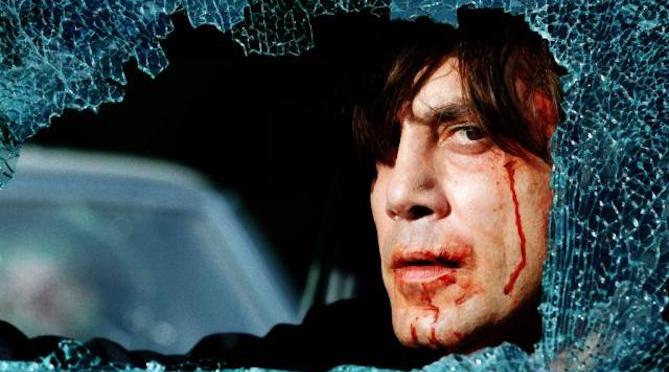
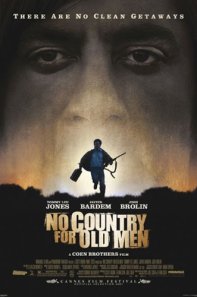 “The setting is the Texas-Mexico border. The time is our own.”
 Tarantino’s Once Upon a Time in Hollywood is out this month, and it seems like a culmination of sorts for the film fanatic writer-director. Each of his movies toes the line between self-awareness and immersive cinema, continually winking at the camera and yet lost in a world of its own, packed to the brim with pop culture references but still stylish enough to become a pop culture reference. Tarantino, who worked at a video store as a kid and has been devouring several movies a day ever since, has few rivals when it comes to an encyclopedic knowledge of the art form. To see Once Upon a Time in Hollywood framed around film and television sets in 1950s L.A. is quite the prospect, because that encyclopedic knowledge serves as more than a wink or a reference.

 In our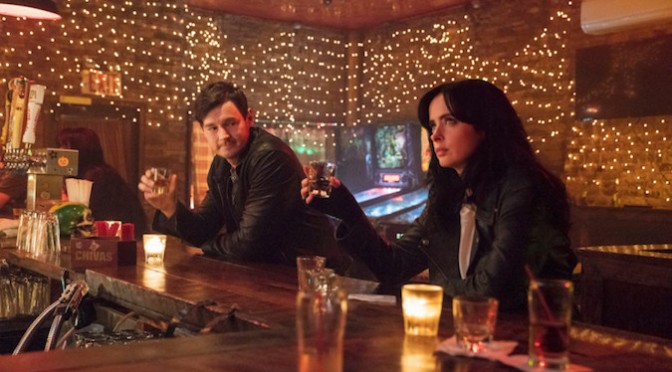
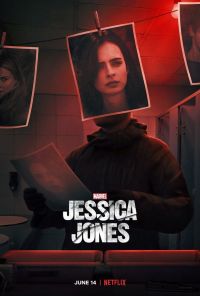 For a good long while the prestigious mantle of Most Overdone Superhero Story was without a doubt the origin tale. Dead parents, ancient birthrights, Chosen Ones, freak laboratory accidents — after a while people caught on to the fact that all of these were basically following the same formula. We’ve seen Bruce Wayne witness the death of his parents
 When author Thad Beaumont decides to go public with his pen-name “George Stark” in an effort to get back to meaningful writing after churning out a few commercial bestsellers, strange things start happening. After Stark’s “death”, people — real people — start actually dying, largely in brutal fashion and largely in connection to Thad himself. It’s a conundrum of a case to everyone but Thad himself, who’s slow to give in to what he knows must be the truth: George Stark, his pulp fiction pseudonym, is somehow real, walking around, back from the dead. And he’s not going back to the grave quietly.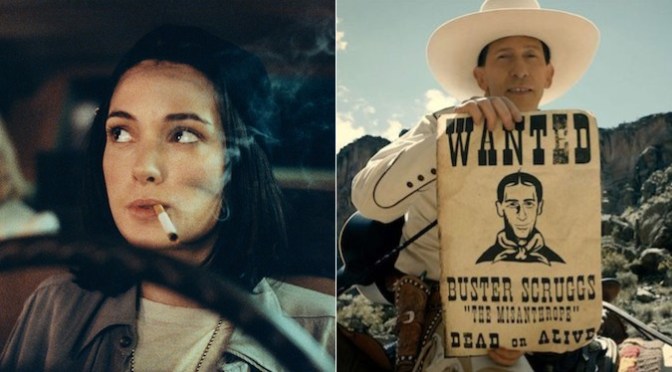

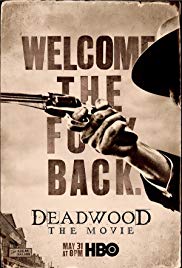 It’d be tough to think about the Deadwood film as that alone, a mere two-hour tour through a corruption-riddled mining town in the waning days of the 19th century. The movie exists very much as a long-awaited finale for the Deadwood series, which was unceremoniously canceled after three seasons at HBO more than a decade ago. To enjoy the film without the context of the show is possible, probably, but it’d also be akin to starting in on the last episode of a television series. It’d be equally tough to refrain from using the f-word multiple times while writing about Deadwood, so consider this a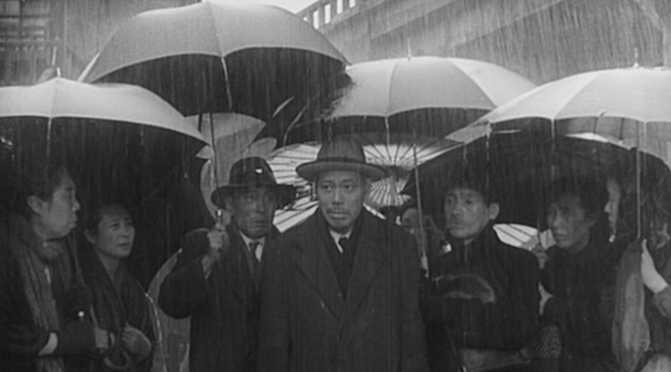
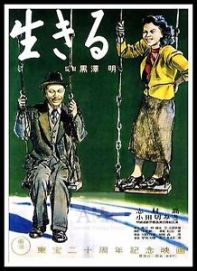 It’s entirely possible that the West’s fondness for Akira Kurosawa is borne of the fact that he frequently addresses themes of individuality, personal distinctiveness, and the importance of being true to yourself. Those aren’t very Japanese themes, traditionally, even if the popular “nail that sticks out gets hammered down” axiom is a bit simplistic these days. But the corporate-cog-finds-new-lease-on-life narrative seems especially well-suited to the notoriously workaholic Japanese culture, and nowhere is that narrative more effective than in Kurosawa’s Ikiru. Now streaming on The Criterion Channel, Ikiru stars Kurosawa stalwart Takashi Shimura as a spiritless bureaucrat grappling with the futility of his mortal days.
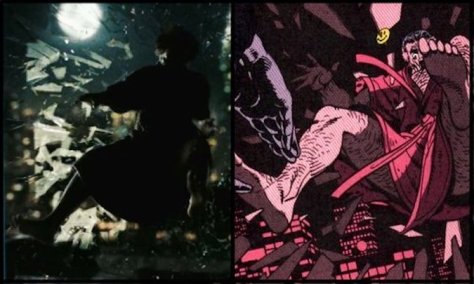
 A lot of what Alan Moore has created is now considered classic. V for Vendetta, League of Extraordinary Gentlemen, From Hell, The Killing Joke, his run on Swamp Thing…to say this stuff is at the vanguard of comic-book storytelling is to undermine the fact that this stuff is the vanguard of comic-book storytelling. But it’s important to remember — crucial, actually — that Moore’s never purposefully written a “classic,” meaning his tales are almost exclusively nontraditional narratives that toy with genre and literary consciousness. The writer has a few reasons to despise Hollywood, but the primary point of contention must be that each film adaptation of his comics seems to shove the original tale back into a traditional, classic structure. It happened with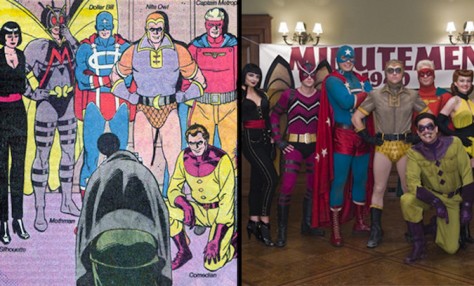

 Motion State Review