
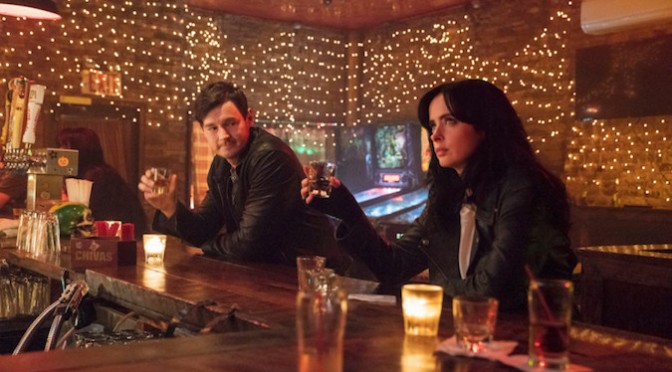
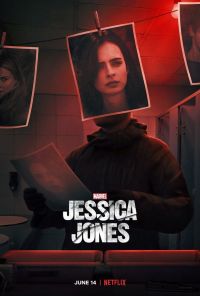
 For a good long while the prestigious mantle of Most Overdone Superhero Story was without a doubt the origin tale. Dead parents, ancient birthrights, Chosen Ones, freak laboratory accidents — after a while people caught on to the fact that all of these were basically following the same formula. We’ve seen Bruce Wayne witness the death of his parents upwards of seven different times. Time for something new! Take the third season of Jessica Jones, a show which gracefully skirted an origin tale in its first season only to backtrack into one for its sophomore outing. Surely the third season of the most unlikely Marvel/Netflix venture must break fresh ground, especially considering that this third season is also the last. Right?
To be fair, it’s more likely than not that Jessica Jones was never intended to conclude after Season 3, what with the collective axing of Jones, Luke Cage, Daredevil, Iron Fist, Punisher and any future spinoffs Marvel/Netflix might have had in the oven. Despite the popular rumor that Disney might resurrect some of these properties for their Disney+ platform, that seems doubtful to me. And with the increasing tedium characteristic of each and every one of those shows, maybe that’s a good thing.

 When author Thad Beaumont decides to go public with his pen-name “George Stark” in an effort to get back to meaningful writing after churning out a few commercial bestsellers, strange things start happening. After Stark’s “death”, people — real people — start actually dying, largely in brutal fashion and largely in connection to Thad himself. It’s a conundrum of a case to everyone but Thad himself, who’s slow to give in to what he knows must be the truth: George Stark, his pulp fiction pseudonym, is somehow real, walking around, back from the dead. And he’s not going back to the grave quietly.

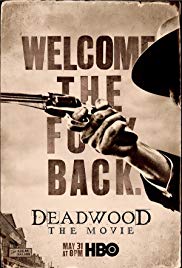 It’d be tough to think about the Deadwood film as that alone, a mere two-hour tour through a corruption-riddled mining town in the waning days of the 19th century. The movie exists very much as a long-awaited finale for the Deadwood series, which was unceremoniously canceled after three seasons at HBO more than a decade ago. To enjoy the film without the context of the show is possible, probably, but it’d also be akin to starting in on the last episode of a television series. It’d be equally tough to refrain from using the f-word multiple times while writing about Deadwood, so consider this a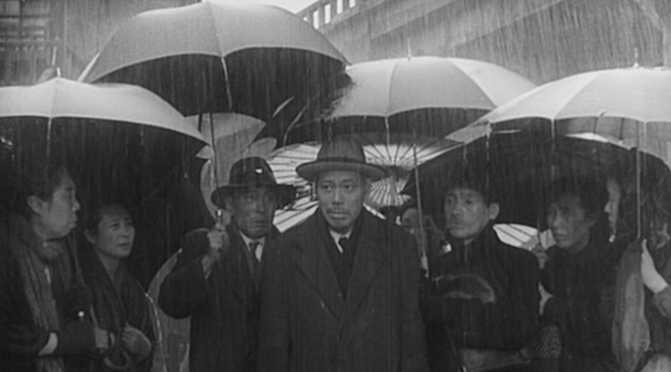
 It’s entirely possible that the West’s fondness for Akira Kurosawa is borne of the fact that he frequently addresses themes of individuality, personal distinctiveness, and the importance of being true to yourself. Those aren’t very Japanese themes, traditionally, even if the popular “nail that sticks out gets hammered down” axiom is a bit simplistic these days. But the corporate-cog-finds-new-lease-on-life narrative seems especially well-suited to the notoriously workaholic Japanese culture, and nowhere is that narrative more effective than in Kurosawa’s Ikiru. Now streaming on The Criterion Channel, Ikiru stars Kurosawa stalwart Takashi Shimura as a spiritless bureaucrat grappling with the futility of his mortal days.
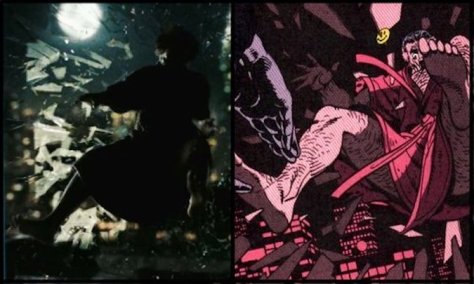
 A lot of what Alan Moore has created is now considered classic. V for Vendetta, League of Extraordinary Gentlemen, From Hell, The Killing Joke, his run on Swamp Thing…to say this stuff is at the vanguard of comic-book storytelling is to undermine the fact that this stuff is the vanguard of comic-book storytelling. But it’s important to remember — crucial, actually — that Moore’s never purposefully written a “classic,” meaning his tales are almost exclusively nontraditional narratives that toy with genre and literary consciousness. The writer has a few reasons to despise Hollywood, but the primary point of contention must be that each film adaptation of his comics seems to shove the original tale back into a traditional, classic structure. It happened with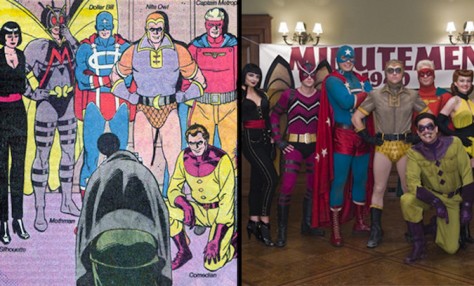


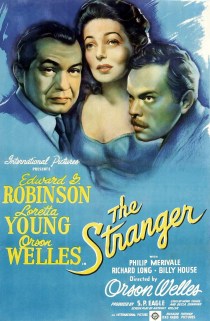 As is the case with the work of many a cinematic genius, the filmography of Orson Welles is especially revealing when considered as a whole. Hits, flops, stretches of obsession, gaps of inactivity, passion projects and moneygrabs — in some ways this kind of retrospective review can tell us more about the filmmaker than the films themselves. It’s the “God’s-eye view,” to steal the name of an aerial shot favored by Welles, and it serves to highlight the ideas that the writer/director would experiment with, return to, or transform entirely in successive efforts. The other edge of the sword, of course, is that each individual film inexorably loses something when viewed alongside a slew of cinema which may otherwise share little by way of plot, theme, style or cultural impact.
 April 2019 was a pretty earth-shaking month in pop culture terms. We had the first tangible fallout from the Disney/Fox merger and some really interesting developments in the Great Streaming Wars (the launch of the fantastic Criterion Channel, details on the upcoming Disney+), we had new blockbuster releases (

 What’s the worst thing that can happen in sports? That’s the question voiced by the title character as the curtain goes up on Molly’s Game, Aaron Sorkin’s directorial debut and latest produced screenplay since 2015’s
  Motion State Review